iPhone Ultra Leaks: Apple’s 2026 Roadmap for Foldable Devices
Apple’s iPhone Ultra foldable rumors are no longer just idle speculation. Multiple reports now point to a 2026 launch window, a book-style design, and a premium […]
Contributor
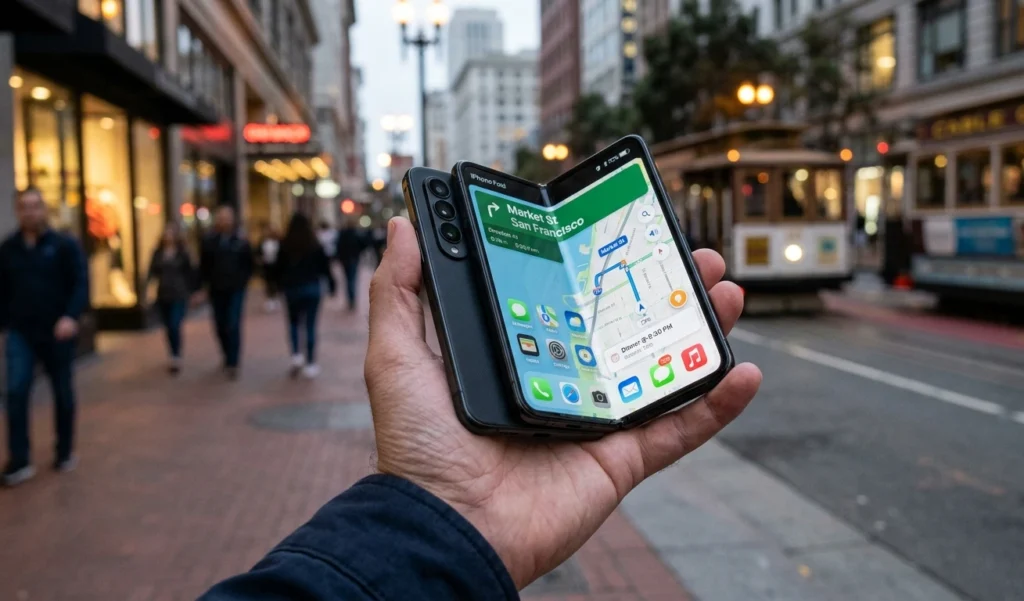
Apple’s iPhone Ultra foldable rumors are no longer just idle speculation. Multiple reports now point to a 2026 launch window, a book-style design, and a premium price that could push it into true halo-product territory. That matters because Apple is not merely entering the foldable market; it may be trying to redefine it.
Will the iPhone Ultra be Apple's first foldable phone?
Yes, the iPhone Ultra foldable rumors strongly suggest this will be Apple’s first foldable phone, with a book-style design that opens into a larger inner display. Recent leak coverage says the device is expected to debut as a premium model rather than a replacement for the Pro line, with Apple reportedly considering Ultra branding instead of Fold. That branding shift is important. Apple already uses Ultra for high-end products like Apple Watch Ultra and its top-tier chips, so the label would position the foldable as an elite device rather than a novelty experiment.
What the leaks point to
- Book-style folding design, not a clamshell.
- Outer display around 5.3 to 5.5 inches.
- Inner display around 7.8 inches.
- Dual rear cameras and front-facing cameras for both open and closed use cases.
- A launch window tied to Apple’s 2026 fall lineup.
The most credible recent reporting also suggests the device could arrive alongside the iPhone 18 Pro models in September 2026, though some reports say shipping could slide into early 2027 if Apple needs more time. That timing would fit Apple’s usual strategy: announce the next big thing in the fall, then keep the supply chain tight while demand builds.
How much will the iPhone Ultra cost compared to the Pro Max?
The iPhone Ultra foldable rumors indicate a price far above the Pro Max, likely starting around $1,999 and possibly reaching $2,500 or more depending on storage and final positioning. That would place it well above a standard flagship iPhone and squarely in ultra-premium territory. A realistic way to think about it: Apple would not price this like a mainstream iPhone. It looks more like a status device, a productivity device, and a technology showcase rolled into one.
Price comparison table
Model | Expected Price | Positioning |
|---|---|---|
iPhone 18 Pro Max |
Premium flagship |
Mainstream high-end |
iPhone Ultra |
About $1,999 to $2,500+ |
Foldable halo device |
Samsung Galaxy Z Fold-class competitor |
Typically, below Apple’s rumored top end |
Established foldable segment benchmark |
The pricing makes strategic sense if Apple wants to avoid cannibalizing the Pro Max. It also gives Apple room to market the foldable as a category-defining product instead of a simple spec upgrade. In other words, the company can sell it as the future, not just another phone.
Why the price may stay high
- New hinge and display engineering.
- Small initial production volumes.
- Premium materials and advanced assembly.
- Apple’s traditional margin strategy on first-generation flagship products.
Apple Ultra Roadmap: MacBook Ultra and iPhone Ultra release dates
The broader Apple Ultra roadmap now looks like a deliberate branding strategy, not a one-off rumor. Reports suggest Apple is considering Ultra naming across several products, including a foldable iPhone Ultra and a MacBook Ultra with OLED and touchscreen features. That makes the 2026 product cycle more interesting than a normal iPhone launch year. Apple appears to be building a ladder of premium devices above the Pro tier, and the foldable iPhone may be the center of that push.
Expected timing
- iPhone Ultra announcement: September 2026 is the leading rumor.
- iPhone Ultra availability: Late 2026 is possible, but early 2027 shipping is still being discussed.
- MacBook Ultra: Late 2026 or early 2027, depending on supply chain timing.
This kind of staggered rollout would be classic Apple. The company often uses the fall event to anchor attention, then lets the rest of the year reinforce that momentum through related hardware launches. A foldable iPhone plus a MacBook Ultra would create a clear premium reset narrative for the brand.
Why this roadmap matters
- It expands Apple’s product ladder upward.
- It gives the company a new halo category.
- It creates more room for premium pricing.
- It signals Apple’s push into next-gen form factors.
Expected display specs: Resolution and crease-less technology
The iPhone Ultra foldable rumors center on display quality because that is where foldables win or lose public trust. Apple’s rumored inner display is around 7.8 inches, while the cover screen is expected to sit in the 5.3-to-5.5-inch range. The biggest buzz, though, is around the crease. Recent reports claim Apple is targeting an extremely shallow crease or even a nearly crease-free look through advanced panel engineering and stress-management techniques.
What to expect from the screen
- Inner screen: about 7.8 inches.
- Outer screen: about 5.5 inches.
- Book-style 4:3 aspect ratio is widely rumored.
- Crease depth reportedly controlled to under 0.15 mm in one leak.
- Under-display sensors may help Apple keep the front clean.
This is where Apple could make its biggest first-impression advantage. Foldables have come a long way, but the crease still bothers buyers, especially in bright light. If Apple gets this right, it could make the category feel more polished to mainstream users who have waited for a truly refined version.
Resolution and use-case logic
A 7.8-inch inner display would likely be tuned for multitasking, reading, video, and split-screen productivity more than raw gaming bragging rights. The rumored 4:3 aspect ratio also matters because it would make the device feel more like a pocketable tablet when open. That is a smart move. Instead of copying existing foldables, Apple seems to be aiming for an iPhone that doubles as a compact creative workspace.
Why Apple is choosing the 'Ultra' branding for its first foldable
Apple is likely using Ultra because it signals the highest tier without forcing the device into a generic category name like Fold. That matters in Apple’s ecosystem, where names do a lot of positioning work before anyone even sees a spec sheet. Ultra also protects Apple from a familiar problem: a first-generation foldable is never perfect, and the company may not want a name that sounds too mechanical or gimmicky. Fold describes the hinge. Ultra sells the experience.
Branding advantages
- Makes the device feel premium from day one.
- Aligns with Apple Watch Ultra and M-series Ultra naming.
- Avoids sounding derivative of rival foldable branding.
- Supports a higher launch price.
The move also fits a wider Apple pattern. The company often reserves special naming for products it wants buyers to see as category-defining, not just incremental. If the foldable iPhone is Apple’s answer to the tablet-phone convergence problem, Ultra is the kind of label that helps it land.
Market impact and competition
The foldable market is still relatively small compared with the broader smartphone market, which gives Apple room to arrive late without looking behind. TrendForce said foldable shipments reached 15.9 million units in 2023 and were projected at 17.7 million in 2024, or only about 1.5% of smartphone shipments. Statista also projected foldable shipments rising from nearly 18 million in 2024 to about 70 million by 2027. That means Apple does not need to dominate the segment immediately. It just needs to make foldables feel more desirable to the average premium phone buyer.
Why Apple’s entry matters
- It could normalize foldables for mainstream buyers.
- It may force Android rivals to sharpen durability and pricing.
- It could expand buyer confidence in book-style foldables.
- It may push accessory makers and app developers to optimize around a larger dual-screen experience.
Competition will also be shaped by timing. Samsung, Huawei, and others already have years of foldable experience, but Apple’s history shows that late entry can still reshape a category if the product feels more polished, simpler, and more reliable.
What could still change before launch
The biggest risk for the iPhone Ultra foldable rumors is that Apple may still change the name, timing, or final feature set before launch. Leaks can track production trends well, but Apple often tweaks branding and hardware details late in development. There is also the supply-chain factor. If Apple is pushing a crease-light display, custom hinge design, and premium materials at the same time, even minor manufacturing issues could shift the release window. That is why some reports still leave room for early 2027 availability.
The main unknowns
- Final product name.
- Whether it launches in September or later.
- Storage tiers and final pricing.
- The exact display finish and crease handling.
- Whether Apple pairs it with any iOS features designed specifically for folding.
Conclusion
The iPhone Ultra foldable rumors point to Apple’s most ambitious smartphone shift in years, with a premium price, a book-style fold, and a branding strategy built to separate it from the Pro Max. If Apple lands the display and crease experience, the iPhone Ultra could do more than enter the foldable market, it could change how people think about it.
FAQs
1. Is Apple releasing a foldable iPhone?
Recent leaks suggest the iPhone Ultra will be Apple’s first foldable device, likely launching in late 2026.
2. How much will the iPhone Ultra cost?
Expected pricing starts at $1,999, positioning it above the iPhone 17 Pro Max.
3. What is the difference between iPhone 17 and iPhone Ultra?
The 17 is a standard slab phone, while the Ultra is rumored to feature a folding display and Ultra branding for top-tier specs.
4. Will there be a MacBook Ultra too?
Reports indicate a MacBook Ultra is in development alongside the new iPhone.
5. What screen size is the iPhone Ultra foldable?
Rumors point to an 8-inch internal display when fully unfolded.
6. Will the iPhone Ultra have a crease?
Apple is reportedly using a new hinge patent to minimize the display crease seen on competitors.

Swathi is a contributor at GizStreet with a master’s degree in science and a strong background in technical writing and product review. She covers gadgets, software, and consumer tech, with a focus on breaking down complex products into clear, practical takeaways for readers.
Share this story
Related Articles
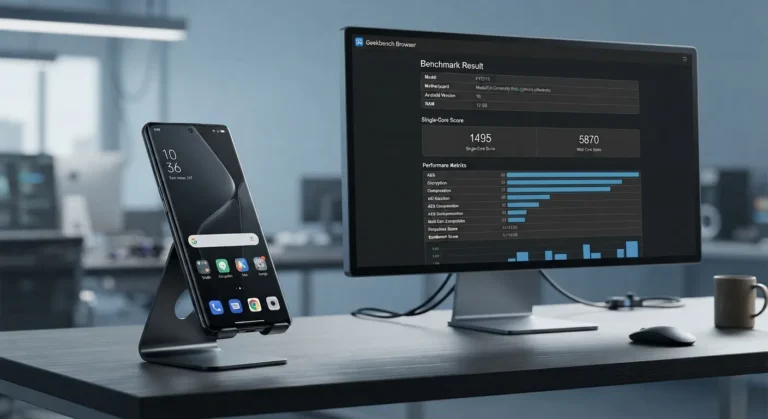
Oppo A7 Pro Max Surfaces in Geekbench Listing, but Official Details Are Still Missing
The Oppo A7 Pro Max has surfaced in a Geekbench listing, revealing early hardware details. Here's what has been verified and what remains unconfirmed ahead of any official announcement.

Apple’s Reported M2 Extreme and M3 Extreme Chips: What We Know, What We Don’t, and Why It Matters
Apple's reported M2 Extreme and M3 Extreme chips remain unconfirmed. Learn what Apple has officially revealed about M2 Ultra and UltraFusion technology.
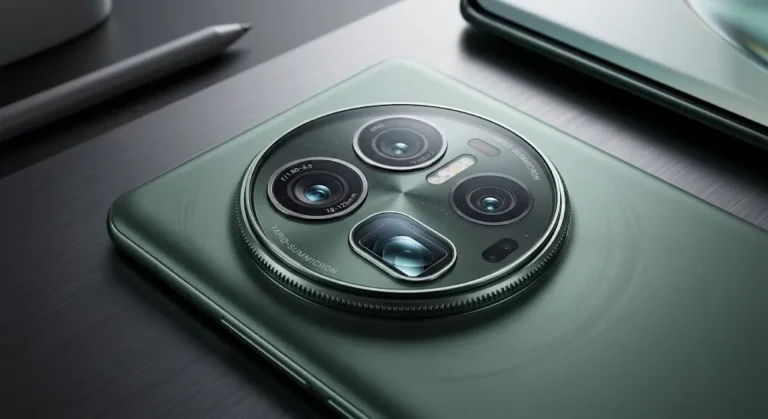
Vivo X500 Ultra Leak Reveals Three 200MP Periscope Camera Sensors Under Consideration
Vivo X500 Ultra is reportedly being tested with three 200MP periscope camera sensors as the company balances zoom performance and smartphone design.
Comments (0)