Home / Cloud Computing Architecture & Cost Optimization Guide (2026 Edition)
Cloud Computing Architecture & Cost Optimization Guide (2026 Edition)
sarankk | February 28, 2026 | 7 min read

Table of Contents
Cloud adoption continues to accelerate in 2026 as businesses prioritize scalability, flexibility, and digital transformation. Organizations of all sizes are migrating applications, data, and infrastructure to the cloud to reduce on-premise hardware dependency and improve operational agility. From startups launching SaaS platforms to enterprises modernizing legacy systems, cloud computing architecture has become the foundation of modern IT strategy.
However, alongside rapid adoption comes a new challenge: rising cloud spending. Many companies underestimate cloud operational costs, leading to budget overruns caused by overprovisioned resources, idle instances, and poor visibility into usage patterns. Cloud bills are becoming one of the largest recurring IT expenses for growing organizations.
This is why architecture design and cost control must go hand in hand. A well-designed cloud infrastructure not only ensures performance, security, and scalability—but also enables long-term cloud cost optimization.
In this comprehensive 2026 guide, we’ll explore cloud architecture fundamentals, core components, deployment models, scalability strategies, security considerations, and practical cloud cost optimization techniques that help businesses maximize performance while minimizing waste.
What is Cloud Computing Architecture?
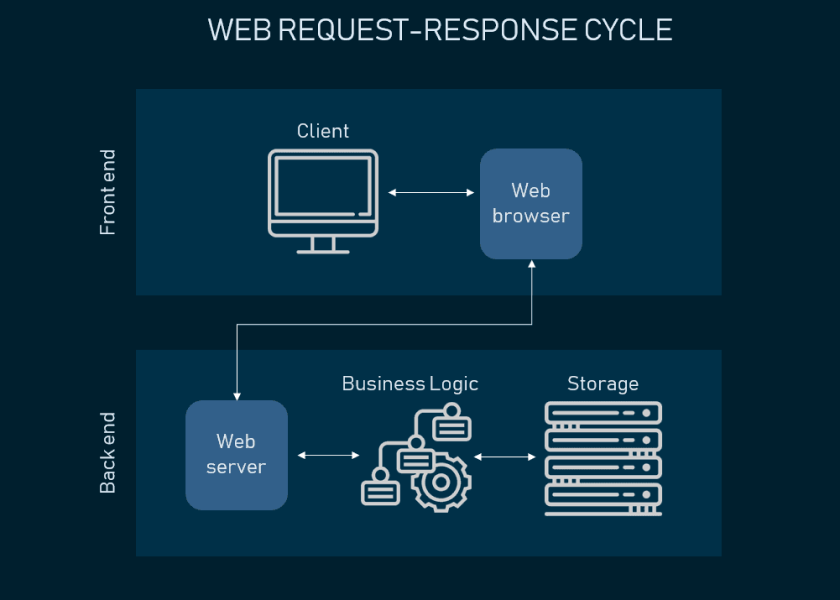
Cloud computing architecture refers to the structural design of cloud systems—including the components, technologies, and configurations that enable cloud services to function effectively. In simple terms, it is the blueprint that determines how applications, servers, storage, and networks interact within a cloud environment.
Core Cloud Infrastructure Components
Cloud architecture typically includes:
Frontend:
This is the client-facing side, such as web browsers, mobile apps, or enterprise dashboards that users interact with.
Backend:
The backend includes servers, databases, storage systems, and application logic hosted in the cloud provider’s data centers.
Network Layer:
Networking connects frontend users to backend services securely and efficiently.
Storage Systems:
Cloud storage retains structured and unstructured data for applications and analytics.
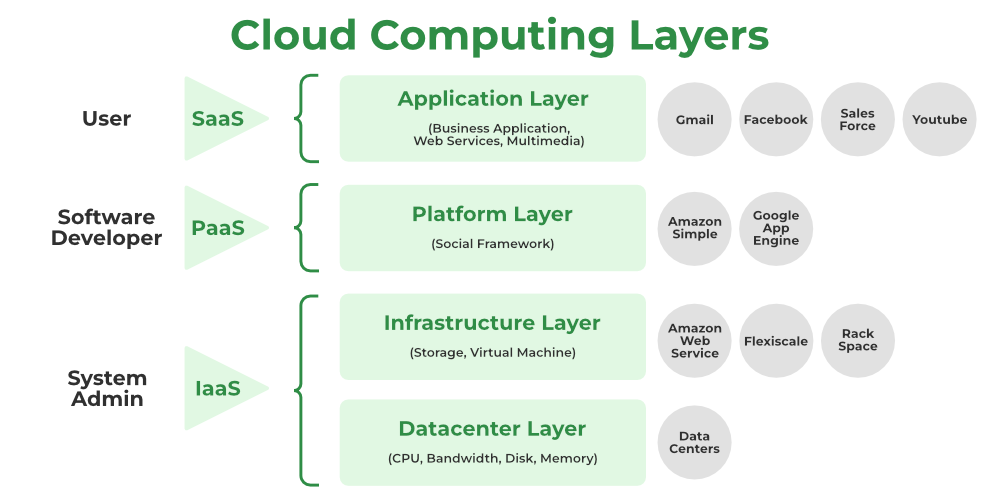
IaaS, PaaS, and SaaS Explained
- Infrastructure as a Service (IaaS):Provides virtual machines, networking, and storage.
- Platform as a Service (PaaS):Offers development platforms and managed runtime environments.
- Software as a Service (SaaS):Delivers fully managed software applications via the internet.
Simple Architecture Example
Imagine an eCommerce website hosted in the cloud. Customers access the frontend web interface. Requests are routed through load balancers to backend servers running in virtual machines or containers. Product data is stored in cloud databases and object storage. Security controls protect transactions, while monitoring tools track performance and usage costs.
This structured cloud architecture design ensures reliability, scalability, and performance.
Core Components of Cloud Architecture
Understanding cloud infrastructure components is essential for building resilient systems.
Compute Resources
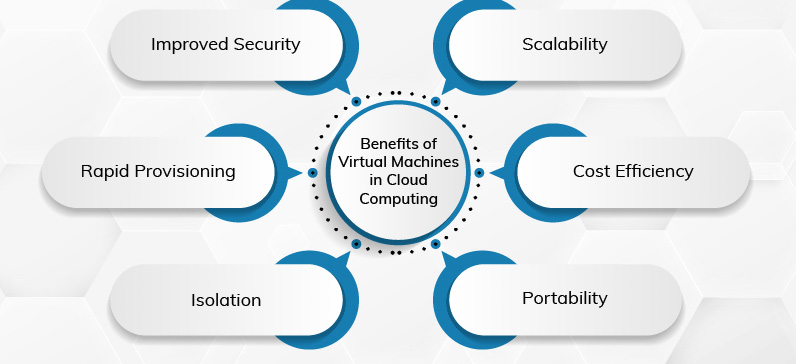
Compute resources include cloud computing instances such as virtual machines (VMs), containers, and serverless functions. Virtual machines in cloud environments simulate physical servers. Containers package applications with dependencies for portability. Serverless computing allows code execution without managing servers, improving scalability and cost efficiency.
Storage Systems
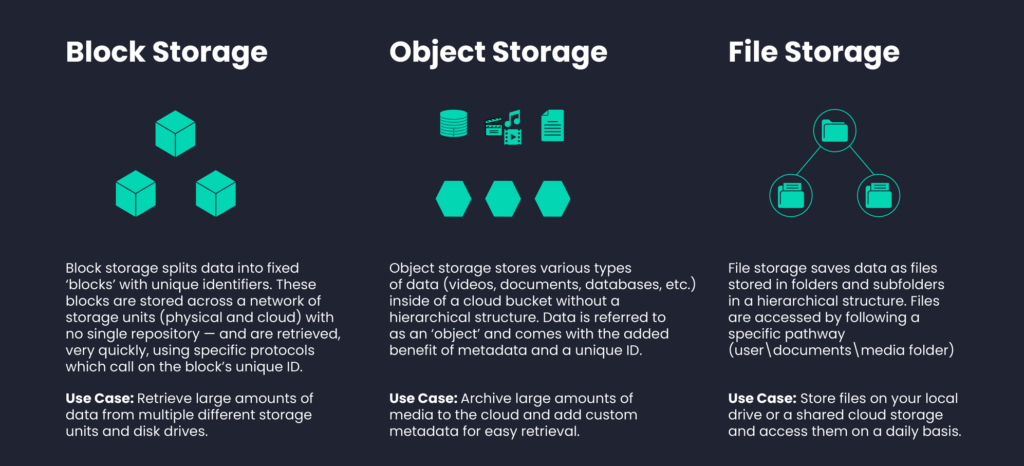
Cloud storage types include object storage, block storage, and file storage. Object storage is ideal for unstructured data like images and backups. Block storage supports databases and high-performance workloads. File storage enables shared access across systems.
Networking Layer
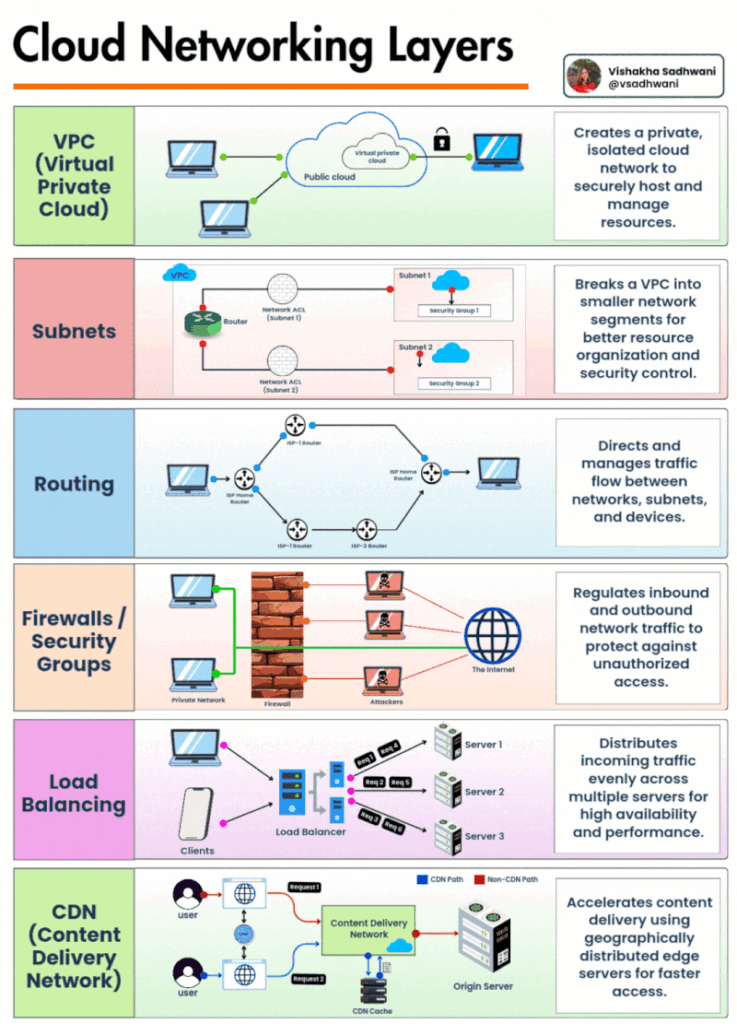
Cloud networking basics include virtual private cloud (VPC), subnets, firewalls, load balancers, and content delivery networks (CDNs). VPCs isolate resources securely. Load balancers distribute traffic evenly. CDNs improve global performance.
Security & Identity
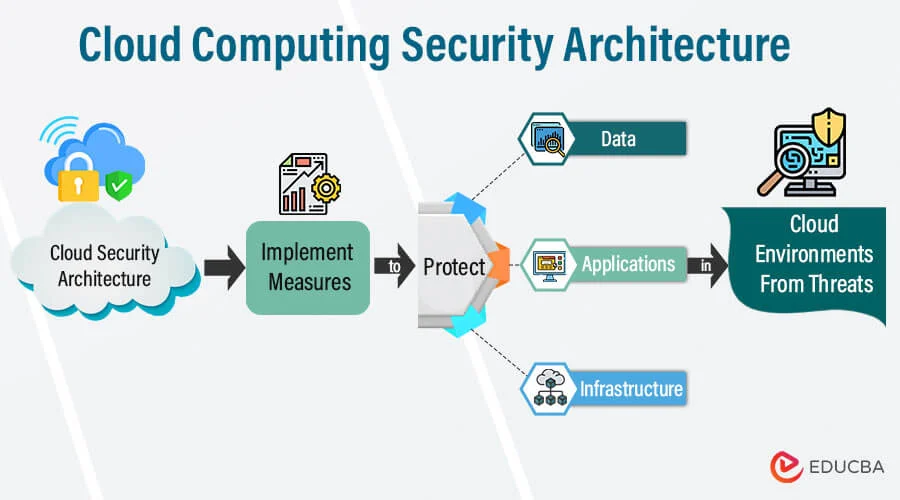
Cloud IAM controls access via roles and permissions. Encryption protects data at rest and in transit. Firewalls and intrusion detection systems secure workloads.
Cloud Deployment Models Explained
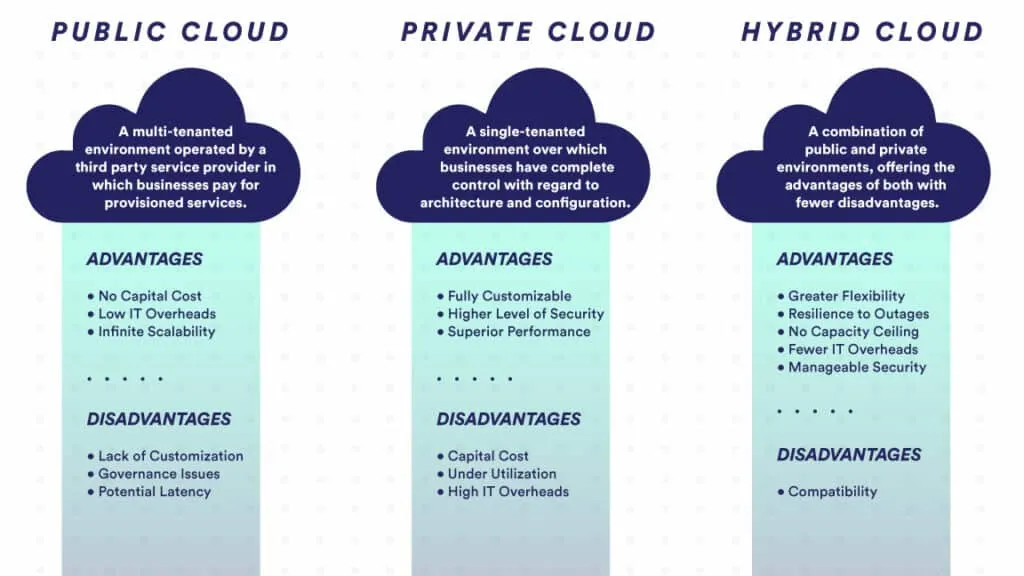
Choosing the right deployment model impacts both performance and cloud cost optimization.
Public Cloud
Public cloud services offer scalability and lower upfront costs. However, shared infrastructure may raise compliance concerns.
Private Cloud
Private cloud environments provide greater control and customization but involve higher infrastructure and maintenance costs.
Hybrid Cloud Architecture
Hybrid cloud architecture combines public and private environments, allowing sensitive workloads to remain private while scaling publicly when needed.
Multi-Cloud Strategy
Multi-cloud uses multiple providers to avoid vendor lock-in and improve resilience.
Each model serves different business needs depending on compliance requirements, workload type, and cost considerations
Designing a Scalable Cloud Architecture
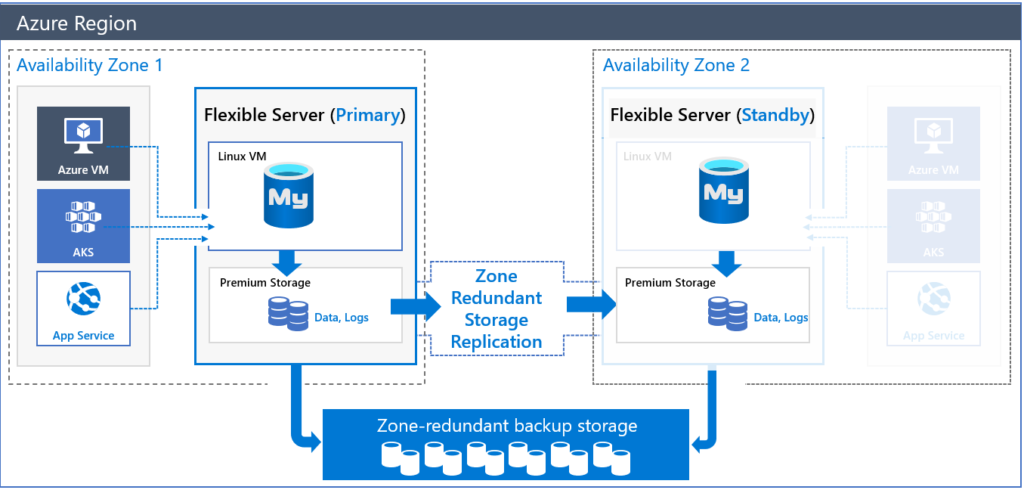
Scalable cloud architecture ensures performance during traffic spikes.
Auto-scaling automatically increases or decreases compute capacity based on demand. Load balancing distributes incoming traffic across servers. Redundancy ensures services remain operational even if one zone fails.
Microservices architecture breaks applications into independent services, allowing selective scaling. Infrastructure as Code (IaC) automates provisioning for consistency and speed.
For example, during a holiday sale, an eCommerce platform may experience 300% traffic growth. Auto-scaling launches additional compute instances. Load balancers distribute traffic evenly. Once traffic drops, resources scale down—supporting high availability cloud design while preventing overspending.
Disaster recovery planning ensures backup systems activate during outages.
Cloud Cost Optimization Strategies That Actually Work
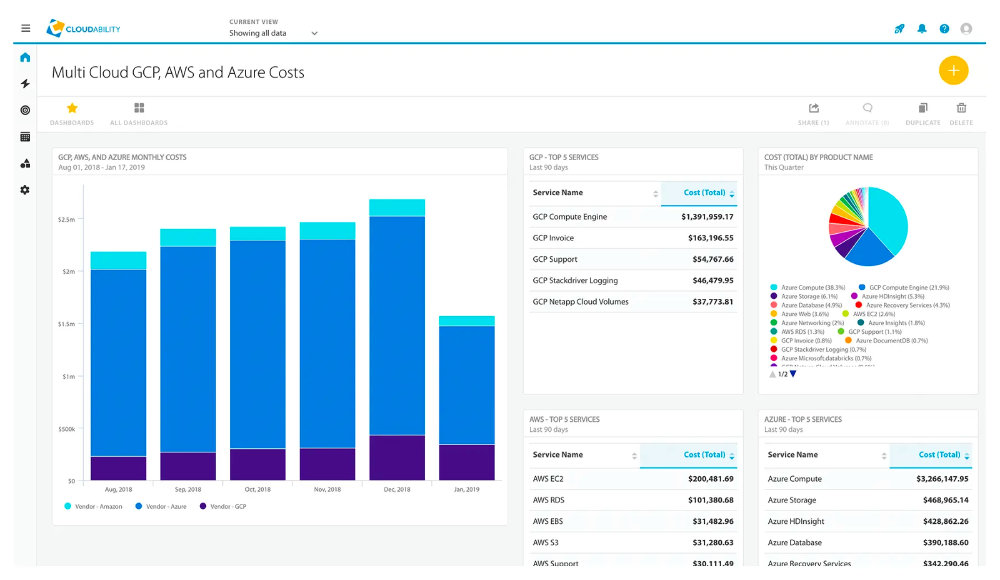
Effective cloud cost management strategies can reduce spending by 20–40% when implemented properly.
Rightsizing Resources
Overprovisioning leads to unnecessary expenses. Cloud rightsizing analyzes usage metrics and adjusts instance sizes to match actual demand. Optimizing cloud instances can reduce compute costs by 15–25%.
Reserved & Spot Instances
Reserved instances savings come from committing to long-term usage. Spot instance pricing offers discounted compute for flexible workloads, sometimes up to 70% cheaper.
Monitoring & Cost Visibility
Cloud cost monitoring tools provide detailed billing insights. Cloud billing management systems track usage patterns, enabling better forecasting and accountability.
Eliminating Idle Resources
Unused cloud resources—like inactive storage volumes or test instances—create waste. Cloud waste reduction audits can cut 10–20% of monthly costs.
Automation & Serverless Adoption
Serverless cost savings occur because businesses only pay for actual execution time. Cloud automation tools shut down non-production environments outside business hours.
Combining these strategies delivers measurable cloud cost optimization results while maintaining performance.
Cloud Security & Compliance Considerations
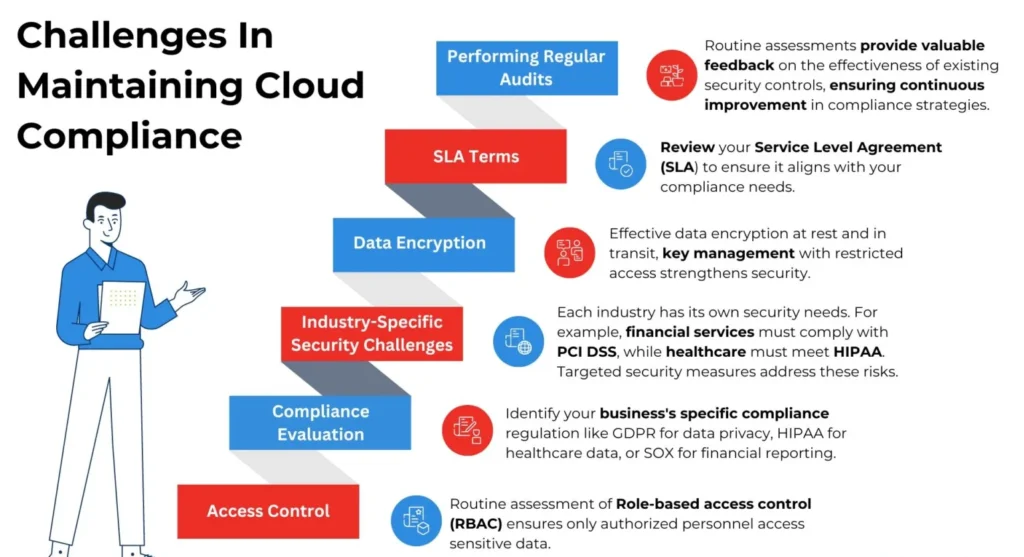
Cloud security best practices require understanding the shared responsibility model. Providers secure infrastructure; businesses secure data and access.
Encrypt data at rest and in transit. Follow cloud compliance standards such as GDPR, ISO certifications, and SOC 2 requirements. Conduct regular security audits and maintain strong backup policies.
Security must be integrated into cloud architecture from the start.
Common Cloud Architecture Mistakes to Avoid
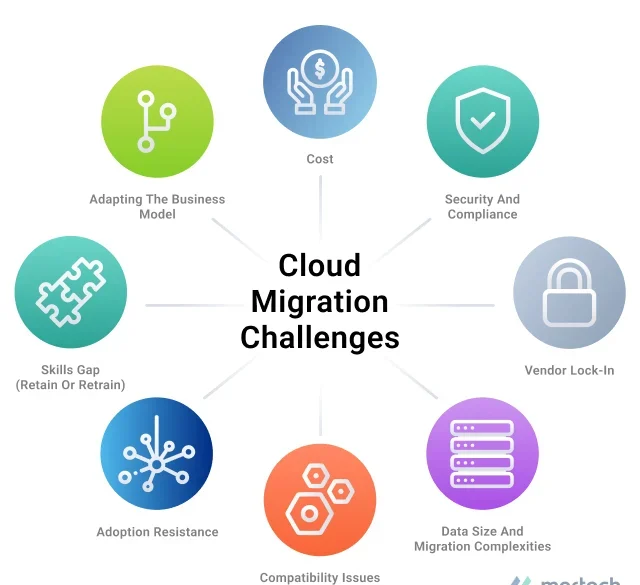
Common cloud migration mistakes include overprovisioning resources, poor monitoring, ignoring compliance requirements, lack of documentation, and failing to implement disaster recovery.
Avoiding these cloud architecture failures prevents cost overruns and service disruptions.
Future Trends in Cloud Architecture (2026 and Beyond)
Cloud computing trends 2026 include AI-driven infrastructure optimization, edge computing integration for low-latency processing, green cloud computing initiatives, FinOps culture adoption, and continued multi-cloud growth.
AI tools will automate scaling decisions, detect anomalies, and recommend cost-saving measures in real time.
Conclusion: Building a Cost-Efficient, Scalable Cloud Strategy
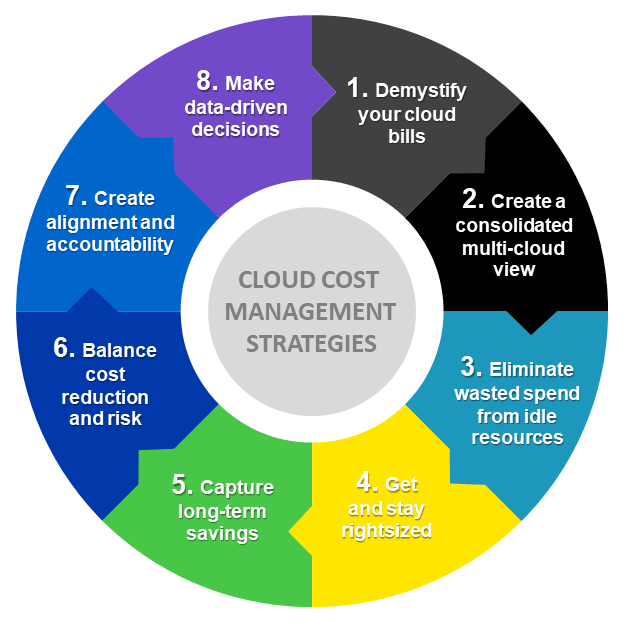
Building effective cloud strategy planning requires balancing scalability, performance, security, and cloud infrastructure optimization.
A well-designed cloud computing architecture supports growth, while proactive cloud cost optimization prevents waste. Businesses that continuously monitor usage, automate scaling, and enforce governance policies will achieve sustainable long-term cloud success.
High-Intent FAQs
What is cloud computing architecture in simple terms?
It is the blueprint that defines how cloud components—servers, storage, networking, and applications—work together.
How can businesses reduce cloud infrastructure costs?
Through rightsizing, reserved instances, monitoring tools, and eliminating unused resources.
What is the difference between public and private cloud?
Public cloud is shared infrastructure managed by providers; private cloud is dedicated infrastructure with more control.
How does auto-scaling reduce cloud costs?
It automatically adjusts resources based on demand, preventing overprovisioning.
What is the shared responsibility model in cloud security?
Providers secure infrastructure; customers secure data and access controls.
Is multi-cloud better than single cloud?
It depends on business needs. Multi-cloud improves resilience but adds management complexity.