POCO M8 Power and POCO X8 India Launch Rumors: What Has Been Verified So Far
Rumors suggest the POCO M8 Power and POCO X8 could launch in India, but Xiaomi has not confirmed the devices. Here's everything officially verified so far.
Contributor

Executive Summary
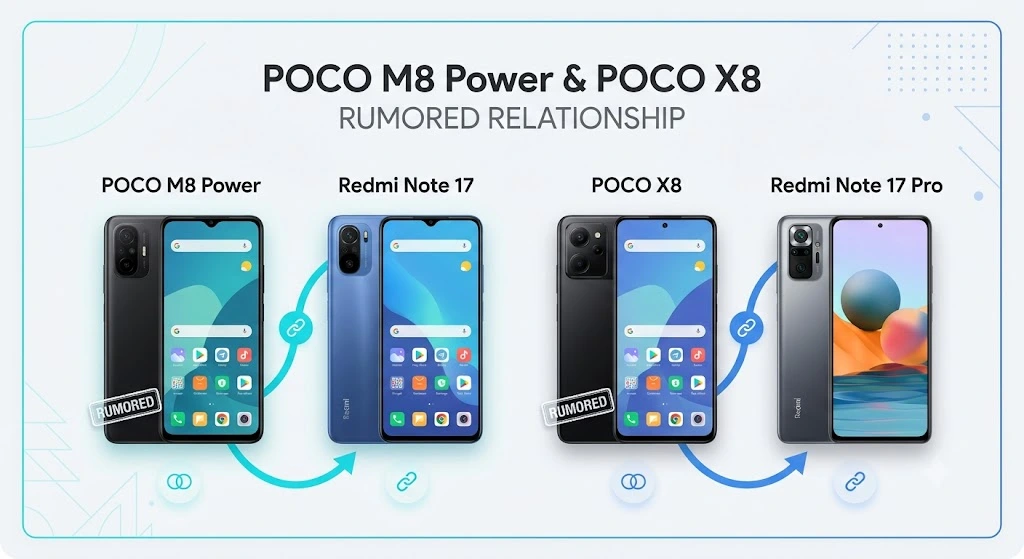
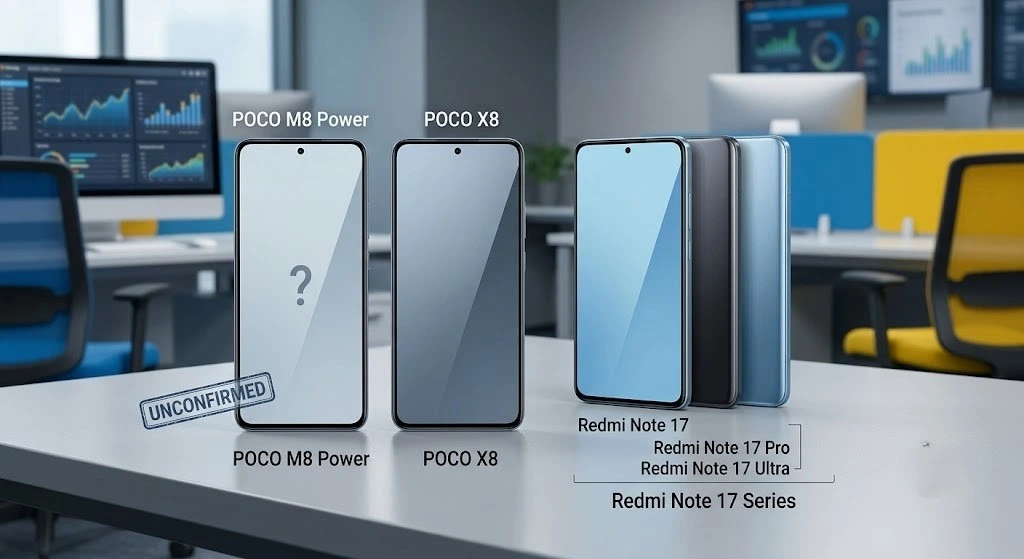
Reports claiming that the POCO M8 Power and POCO X8 are headed to India have sparked interest among smartphone buyers, with both devices rumored to be rebranded versions of the Redmi Note 17 and Redmi Note 17 Pro launched in China. Despite the speculation, one fact stands out: Xiaomi has not officially announced either smartphone for the Indian market. Poco X8 India launch rumours have been speculating.
At the time of writing, there are no official product pages, launch dates, pricing details, specifications, or press releases confirming these devices. Everything currently circulating is based on leaks and firmware discoveries rather than official communication from Xiaomi or POCO.
What Is Being Reported?
Several technology publications have reported that Xiaomi could expand its Indian smartphone lineup with two new POCO devices:
- POCO M8 Power
- POCO X8
The reports suggest these models may be based on the Redmi Note 17 series already introduced in China.
The rumored relationship is outlined below.
| Rumored POCO Model | Rumored Base Device | Officially Confirmed? |
|---|---|---|
| POCO M8 Power | Redmi Note 17 | No |
| POCO X8 | Redmi Note 17 Pro | No |
At present, Xiaomi and POCO have not confirmed any of these claims.

What Has Xiaomi Officially Confirmed?
So far, the official position is straightforward: there has been no confirmation.
The following information remains unavailable from Xiaomi:
- No official product announcement
- No scheduled launch event
- No confirmed India launch date
- No official product pages
- No published specifications
- No announced pricing
That means any specifications currently circulating online should be treated as rumors until the company releases official information.
Important
Rumors can sometimes prove accurate, but they should never be treated as confirmed product details.

Why Rebranding Would Not Be Unusual
Even though these particular devices remain unconfirmed, the underlying idea isn’t unusual.
Xiaomi has frequently introduced similar hardware under different brand names depending on the market and audience it wants to reach. In many regions:
- Redmi devices are positioned around value.
- POCO devices are marketed toward younger buyers with an emphasis on performance.
Where corresponding models exist, the differences may be limited to branding, software tuning, color options, or regional software features rather than major hardware changes.
This approach allows Xiaomi to serve different market segments without developing entirely new devices for each region.
Why These India Rumors Matter
India is one of Xiaomi’s largest smartphone markets, and the mid-range segment remains highly competitive.
If the rumored launches eventually become official, they would expand POCO’s lineup in a category where buyers often compare devices based on:
- Price-to-performance value
- Battery life
- Display quality
- Camera capabilities
- Software support
For now, though, none of those product details have been officially confirmed for the rumored models.
What Information Is Still Missing?
Because Xiaomi has yet to make an official announcement, several key details remain unknown.
| Information | Status |
|---|---|
| Official announcement | Not available |
| India launch date | Not confirmed |
| Product pages | Not available |
| Technical specifications | Not confirmed |
| Pricing | Not announced |
| Availability | Not announced |
| Release notes | Not available |
| Official images | Not released |
| Company statements | Not available |
Until these details are published through official channels, many claims appearing in online reports cannot be independently verified.
What Prospective Buyers Should Do
If you’re planning to buy a new smartphone soon, it’s sensible to wait for official information before making a purchase decision based on leaked specifications.
When the devices are announced—if they are—buyers should look for:
- Official launch details
- Confirmed specifications
- Pricing
- Warranty information
- Regional software features
- Availability through authorized retailers
Leaked specifications often change before a product reaches the market.
Industry Perspective
Leaks have become a regular part of the smartphone industry, often surfacing months before official launches.
They may originate from firmware references, certification databases, supply chain information, retail listings, or industry analysts. While these sources can provide an early indication of upcoming products, they are not guarantees.
Manufacturers sometimes rename products, revise specifications, delay launches, limit regional availability, or cancel devices altogether. That’s why official announcements remain the benchmark for confirming product details.
Why Verification Matters
Rumors can spread quickly, especially when they involve major smartphone brands.
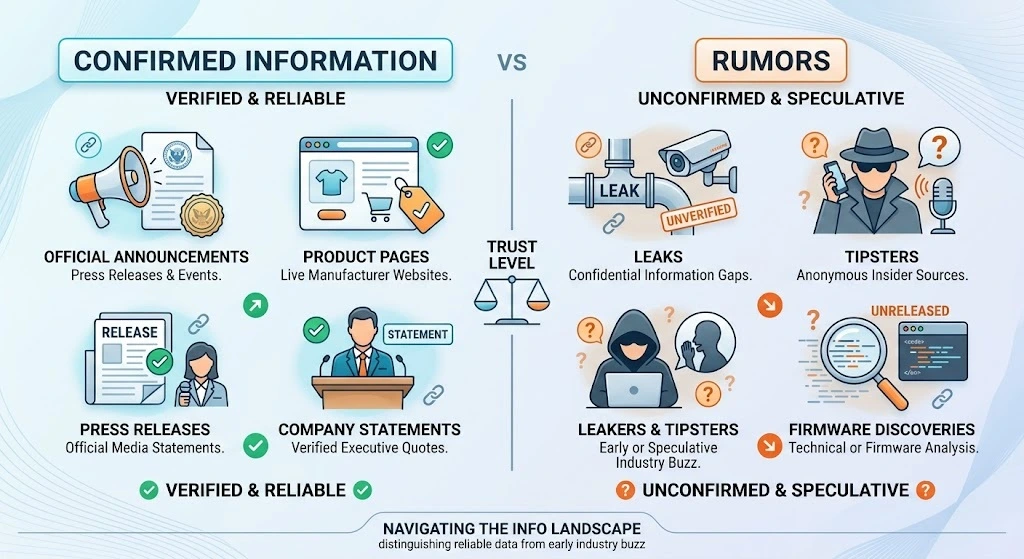
For consumers, separating confirmed information from speculation is essential. The distinction is simple:
Confirmed information
- Official announcements
- Product pages
- Press releases
- Company statements
Unconfirmed information
- Leaks
- Firmware discoveries
- Tipster reports
- Unofficial renders
- Speculation
Keeping that distinction in mind helps buyers avoid making decisions based on information that may change before launch.

Conclusion
Interest in the POCO M8 Power and POCO X8 reflects the continued popularity of Xiaomi’s mid-range smartphone lineup and the company’s history of launching similar hardware under different brands. Even so, the current reports remain just that—reports.
Until Xiaomi officially confirms these devices, key details such as specifications, pricing, launch dates, and availability remain unknown. For anyone considering these smartphones, the next official announcement from Xiaomi or POCO will be the most reliable source of information.
Frequently Asked Questions
1. Has Xiaomi officially announced the POCO M8 Power?
No. Xiaomi has not officially announced the POCO M8 Power.
2. Is the POCO X8 confirmed for India?
No. There is currently no official confirmation of an India launch.
3. Are the POCO M8 Power and POCO X8 expected to be rebranded Redmi phones?
Current reports suggest that possibility, but Xiaomi has not confirmed it.
4. Have the official specifications been released?
No. Xiaomi has not published official specifications for either device.
5. Is there a confirmed launch date?
No official launch date has been announced.
6. Has Xiaomi revealed pricing?
No. Official pricing information has not been released.
7. Are official product pages available?
No. Neither smartphone has an official product page at the time of writing.
8. Should leaked specifications be considered final?
No. Specifications based on leaks should be treated as unconfirmed until Xiaomi publishes official details.
9. Why does Xiaomi release similar phones under different brands?
Xiaomi has historically marketed similar hardware under the Redmi and POCO brands to target different customer segments and regional markets.
10. What should readers watch for next?
The next major development would be an official announcement confirming the devices, along with their specifications, pricing, availability, and launch timeline.
Share this story
Related Articles

Vivo X500 Ultra Leak Reveals Three 200MP Periscope Camera Sensors Under Consideration
Vivo X500 Ultra is reportedly being tested with three 200MP periscope camera sensors as the company balances zoom performance and smartphone design.

Samsung One UI 9 Leak Suggests Galaxy S25 Could Get a Galaxy S26 Camera Feature, but Samsung Has Not Confirmed It
Samsung One UI 9 Beta is confirmed for Galaxy S26, while reports of a Galaxy S25 Horizontal Lock camera feature remain unverified.

iQOO Z11 Lite Confirmed With 6,500mAh Battery and 44W FlashCharge Ahead of India Launch
iQOO Z11 Lite is set to launch in India with a 6,500mAh battery, 44W FlashCharge, Reverse Charging, and Bypass Charging 2.0.
Comments (0)