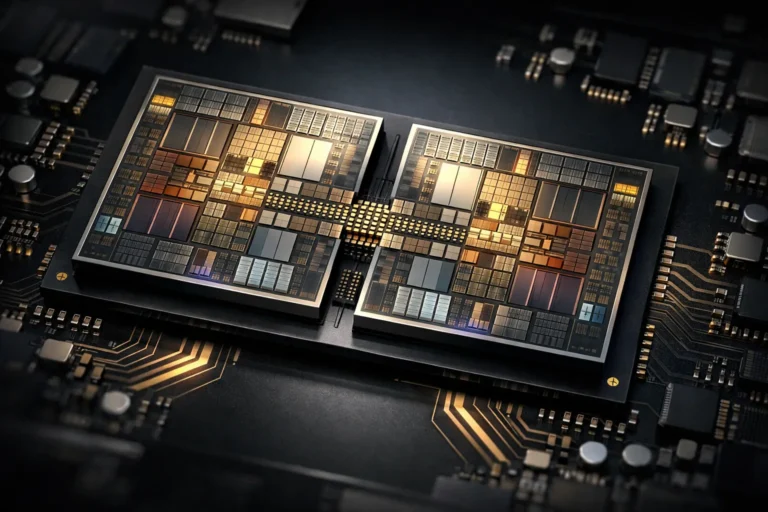
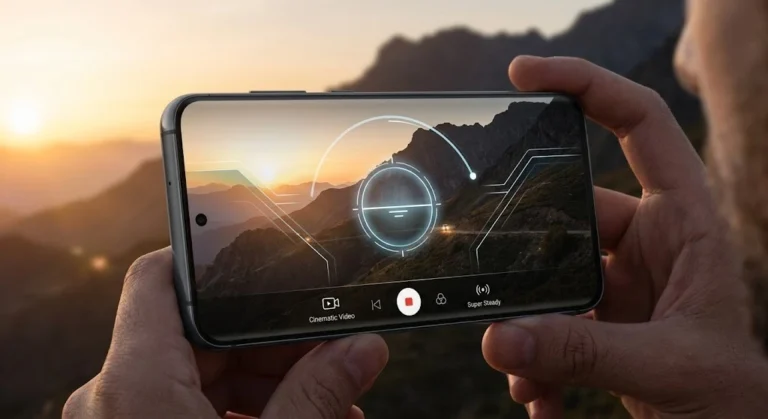
Vivo X500 Ultra Leak Reveals Three 200MP Periscope Camera Sensors Under Consideration
Vivo X500 Ultra is reportedly being tested with three 200MP periscope camera sensors as the company balances zoom performance and smartphone design.
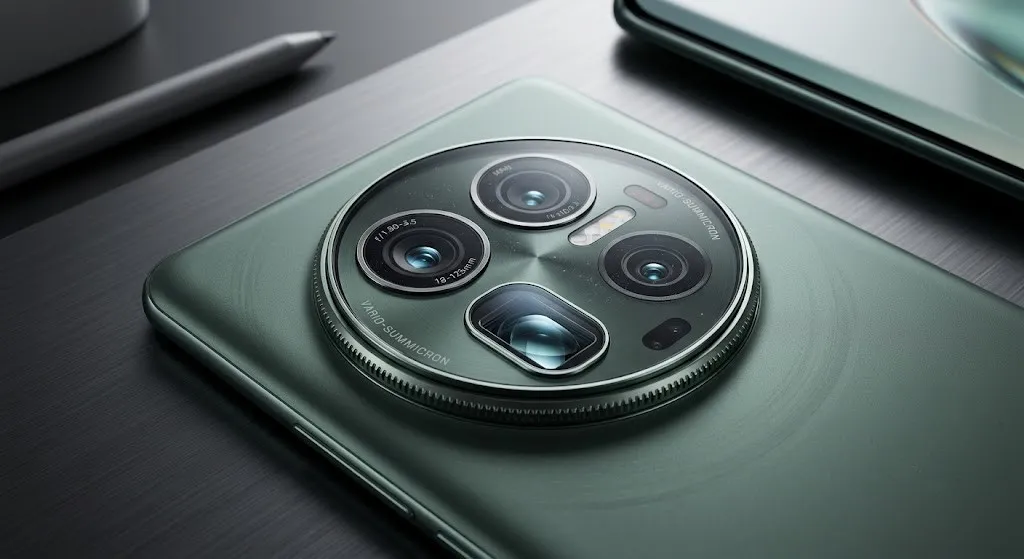
Contributor

Executive Summary
Vivo is reportedly testing multiple camera configurations for its rumored Vivo X500 Ultra flagship smartphone, with leak reports suggesting the company is evaluating three different 200-megapixel periscope telephoto sensor options.
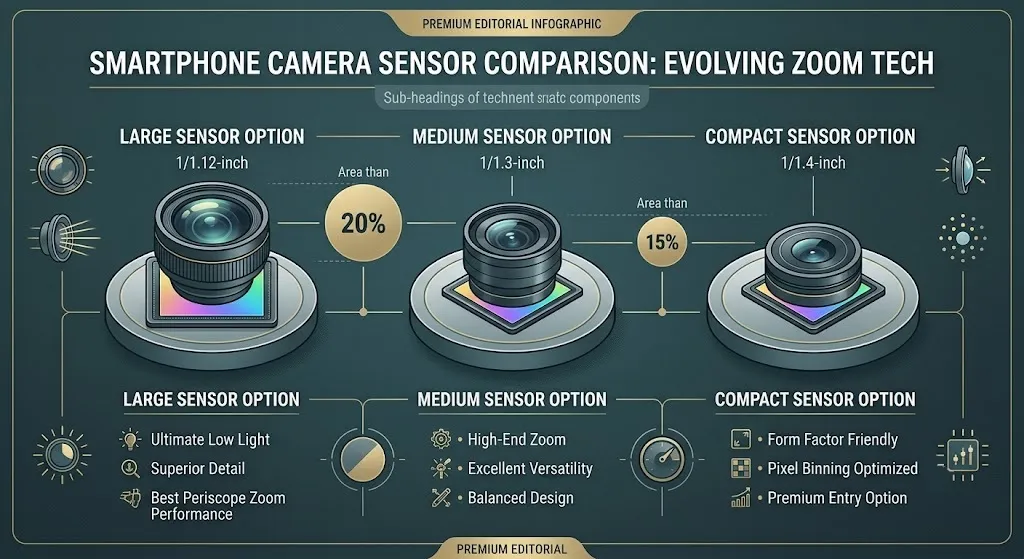
The reported testing highlights a familiar challenge in smartphone design: delivering powerful zoom performance while keeping the phone comfortable to carry. The three sensor sizes reportedly being considered — 1/1.12-inch, 1/1.3-inch, and 1/1.4-inch — represent different approaches to balancing image quality, camera hardware size, and overall device design.
Vivo has not officially confirmed the Vivo X500 Ultra 200MP camera, its specifications, launch timeline, pricing, or availability. The current information comes from unofficial reports attributed to Digital Chat Station.
What Camera Hardware Is Vivo Reportedly Testing?
According to leak reports, Vivo is evaluating three different 200-megapixel periscope telephoto sensors for the X500 Ultra.
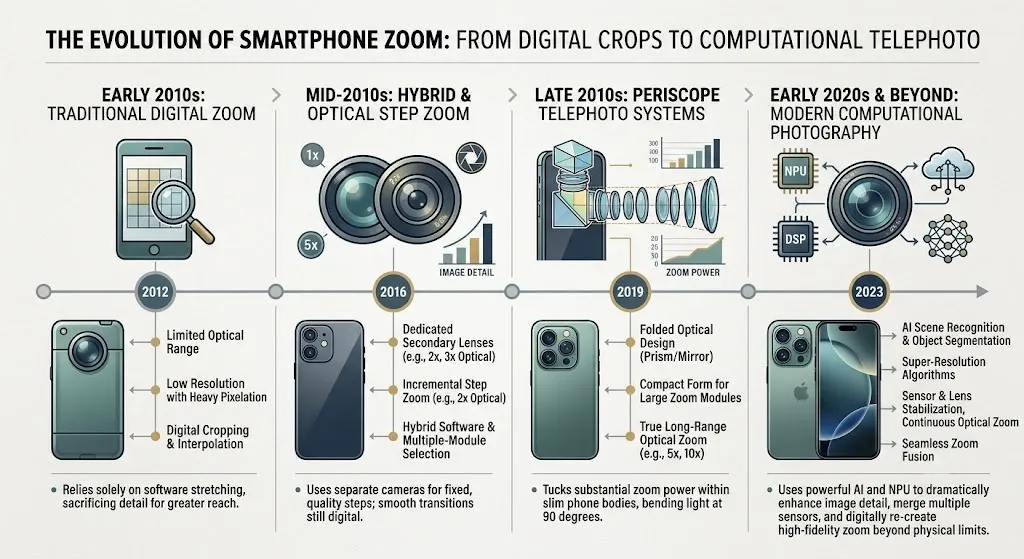
A periscope telephoto camera uses a folded optical path inside the phone to provide longer zoom capabilities without requiring an extremely thick camera module. This design has become common in premium smartphones because it allows manufacturers to offer improved long-distance photography while keeping the overall device shape manageable.
The reported sensor options are:
| Reported Sensor Option | Size |
|---|---|
| Option 1 | 1/1.12-inch |
| Option 2 | 1/1.3-inch |
| Option 3 | 1/1.4-inch |
The reports indicate that Vivo has not yet selected the final sensor configuration that would appear in the commercial version of the device.

Why Sensor Size Is a Major Decision for Smartphone Cameras
Choosing a camera sensor is not simply about selecting the largest available option. Smartphone makers must balance image quality against physical limitations inside a compact device.
A larger sensor can capture more light, which can help improve image quality in challenging conditions such as:
- Low-light photography
- Indoor scenes
- High-contrast environments
- Long-range zoom situations
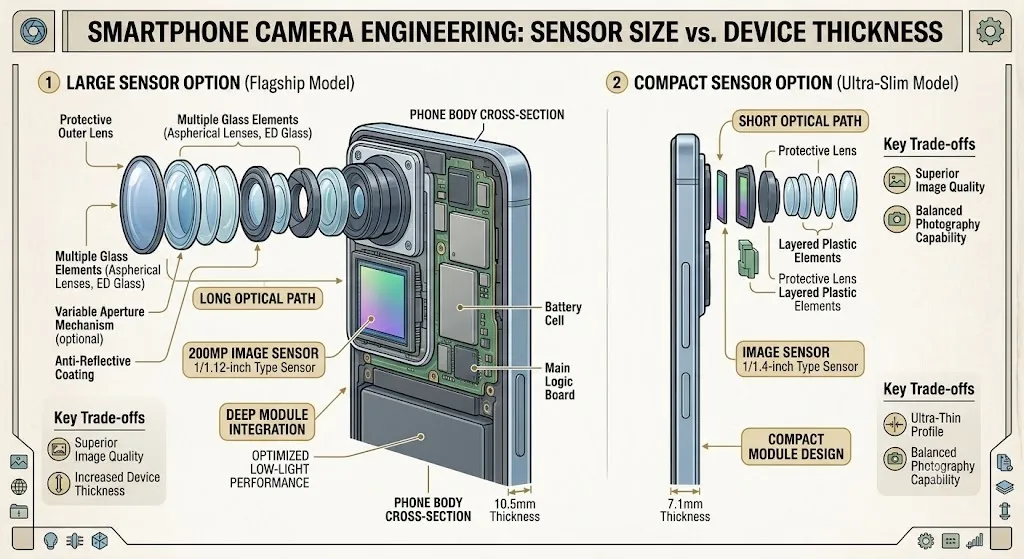
The reported 1/1.12-inch sensor would offer the largest surface area among the three options. However, larger sensors usually require larger lenses and more internal space, which can affect the phone’s thickness and camera bump size.
The trade-off can be summarized as:
| Larger Sensor Approach | Smaller Sensor Approach |
|---|---|
| Greater light capture potential | More compact camera design |
| Larger optical hardware requirements | Easier thickness management |
| Stronger imaging potential | More balanced everyday usability |
For Vivo, the decision appears to be about defining the identity of the X500 Ultra: whether it should prioritize maximum camera capability or a more balanced flagship experience.

Why the X500 Ultra Camera Decision Matters
Smartphone Cameras Are Becoming Hardware Battles
Flagship smartphones are increasingly competing through camera technology. Improvements are no longer limited to faster processors or sharper displays; imaging systems have become one of the biggest areas of differentiation.
Vivo has focused on high-resolution sensors that allow more flexibility when capturing zoomed images. A 200-megapixel sensor provides a large amount of image data, allowing software processing to crop into images while preserving more detail than traditional digital zoom methods.
Traditional digital zoom enlarges part of an image, often reducing clarity. High-resolution sensors attempt to reduce that quality loss by starting with more available image information.
The reported X500 Ultra testing suggests Vivo is continuing this approach while working around the physical challenges created by larger camera hardware.
How Vivo’s Approach Reflects a Wider Industry Shift
Smartphone zoom technology has changed significantly in recent years.
Earlier improvements often focused on increasing optical zoom distances. Modern flagship cameras increasingly combine multiple technologies:
- High-resolution sensors
- Computational photography
- Advanced image processing
- Optical zoom systems
The goal is to create a camera system that performs well across different zoom levels without requiring an impractically large number of camera modules.
The X500 Ultra leak suggests Vivo is exploring where the ideal balance lies between:
- Maximum imaging performance
- Device portability
- Everyday usability
Understanding the Three Reported Sensor Options
1/1.12-inch Sensor: The Performance-Focused Option
The largest reported sensor option represents the most aggressive camera approach.
A sensor of this size could provide advantages such as:
- Greater light-gathering capability
- Improved low-light potential
- More image data for zoom processing
The challenge is physical space. A larger sensor typically requires a larger lens assembly and supporting hardware, which could increase device thickness or create a more prominent camera module.
This option would position the X500 Ultra more strongly as a photography-focused flagship.
1/1.3-inch Sensor: A Balance Between Size and Capability
The 1/1.3-inch option sits between the largest and smallest reported sensors.
This approach could allow Vivo to maintain strong imaging hardware while avoiding some of the design compromises associated with a larger sensor.
For many flagship smartphones, this middle approach often represents the challenge manufacturers face: delivering premium camera performance without making the device feel bulky.
1/1.4-inch Sensor: Prioritizing a More Practical Design
The smallest reported sensor option would likely provide Vivo with more flexibility in device design.
While it would have less surface area than the other reported choices, it would still retain the advantages of a 200-megapixel sensor and high-resolution image processing.
This option could allow Vivo to create a flagship that balances camera capability with everyday practicality.
What Information About the Vivo X500 Ultra Is Still Unknown?
The biggest limitation of the current reports is that Vivo has not officially announced the device.
Important details that remain unavailable include:
- Official product announcement
- Final camera specifications
- Release date
- Pricing
- Availability regions
- Official product images
- Company statements
Until Vivo provides official details, the reported camera hardware should be treated as an unconfirmed development.
Important: Vivo has not confirmed the reported 200-megapixel periscope camera system.
What Could This Mean for the Flagship Smartphone Market?
If Vivo eventually uses a large 200-megapixel periscope camera in the X500 Ultra, it would continue the broader push toward smartphone cameras that can compete with dedicated compact cameras in certain situations.
However, sensor size alone does not determine camera quality.
Real-world results depend on several factors working together:
- Lens design
- Image processing
- Stabilization technology
- Software tuning
The final hardware choice will show whether Vivo is aiming for a camera-first flagship or a more balanced premium smartphone.

Future Outlook: What Should Readers Watch Next?
The next important step will be official information from Vivo.
The main questions surrounding the X500 Ultra are:
- Which sensor size will Vivo choose?
- Will the final device focus heavily on photography?
- How will Vivo manage camera hardware and phone thickness?
- What other specifications will accompany the camera system?
Until those details emerge, the X500 Ultra remains an unconfirmed project based on leak reports.
Conclusion
The Vivo X500 Ultra leak highlights the difficult choices involved in building a modern flagship camera system. By reportedly testing three different 200-megapixel periscope sensor options, Vivo appears to be weighing image quality against the practical limits of smartphone design.
A larger sensor could provide stronger imaging potential, while smaller options could offer a better balance between camera performance and everyday usability. For now, the details remain unofficial, and the next major development will be Vivo’s own confirmation of the final hardware direction.
Frequently Asked Questions
Has Vivo officially announced the X500 Ultra?
No. Vivo has not officially announced the X500 Ultra or confirmed its specifications.
What camera sensor is the X500 Ultra expected to use?
Leak reports suggest Vivo is testing three 200-megapixel periscope telephoto sensor options.
What are the reported sensor sizes?
The reported options are 1/1.12-inch, 1/1.3-inch, and 1/1.4-inch sensors.
Who shared the X500 Ultra camera information?
The reports attribute the information to Digital Chat Station, a Weibo-based technology leaker.
Why would Vivo test multiple camera sensors?
The reported reason is to find a balance between zoom performance, image quality, and smartphone thickness.
Does a bigger camera sensor always produce better photos?
No. Sensor size is one factor among many. Lens quality, image processing, stabilization, and software also influence final image quality.
Has Vivo confirmed a 200MP periscope camera for the X500 Ultra?
No. The reported camera configuration has not been officially confirmed.
When will the Vivo X500 Ultra launch?
No official launch date has been announced.
How much will the Vivo X500 Ultra cost?
No official pricing information is available.
Share this story
Related Articles

Samsung One UI 9 Leak Suggests Galaxy S25 Could Get a Galaxy S26 Camera Feature, but Samsung Has Not Confirmed It
Samsung One UI 9 Beta is confirmed for Galaxy S26, while reports of a Galaxy S25 Horizontal Lock camera feature remain unverified.

iQOO Z11 Lite Confirmed With 6,500mAh Battery and 44W FlashCharge Ahead of India Launch
iQOO Z11 Lite is set to launch in India with a 6,500mAh battery, 44W FlashCharge, Reverse Charging, and Bypass Charging 2.0.

POCO M8 Power and POCO X8 India Launch Rumors: What Has Been Verified So Far
Rumors suggest the POCO M8 Power and POCO X8 could launch in India, but Xiaomi has not confirmed the devices. Here's everything officially verified so far.
Comments (0)