iPhone 16 vs Galaxy S25 in 2026: Which Camera Phone Is Still Worth Buying?
The iPhone 16 and Samsung Galaxy S25 are no longer the newest smartphones from Apple and Samsung. But that doesn’t automatically make them outdated […]
Contributor

The iPhone 16 and Samsung Galaxy S25 are no longer the newest smartphones from Apple and Samsung. But that doesn’t automatically make them outdated purchases.
In fact, previous-generation flagship phones can become more interesting after their successors arrive. Prices often fall, software continues to improve, and the hardware that once competed at the premium end of the market can suddenly offer much stronger value.
That makes the iPhone 16 vs Galaxy S25 comparison surprisingly relevant in 2026 — but for a completely different reason than it was at launch.
The question is no longer:
Which phone represents the future of smartphone photography?
Instead, the better question is:
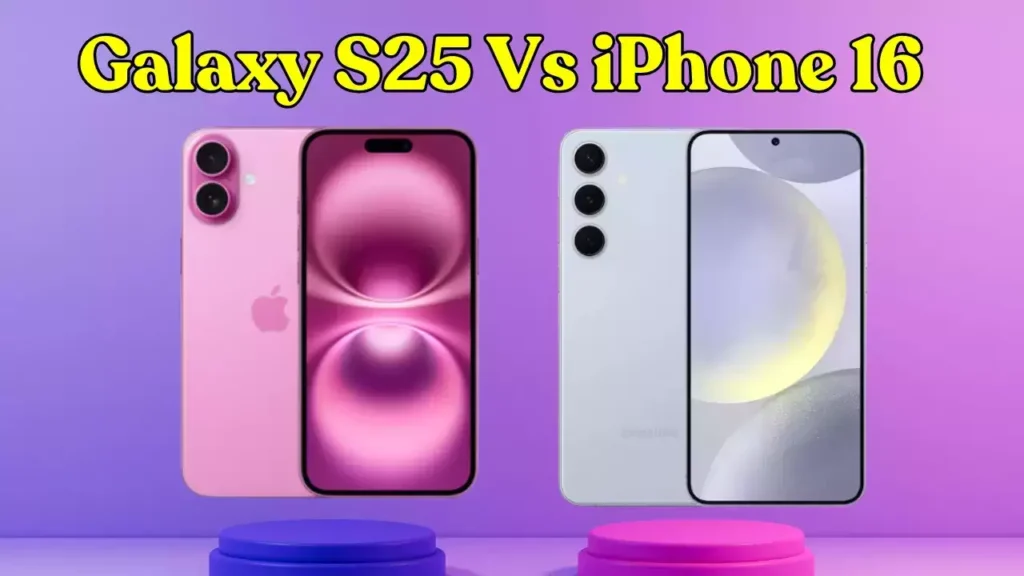
If you can find the iPhone 16 or Galaxy S25 at a good price in 2026, which one gives you the better camera experience for your money?
The answer depends heavily on what you photograph.
Apple’s iPhone 16 offers a relatively simple dual-camera system backed by strong computational photography, excellent video capabilities and Apple’s familiar emphasis on consistency.
Samsung’s Galaxy S25 takes a more flexible approach, adding a dedicated telephoto camera that gives photographers more options when shooting portraits and distant subjects.
Let’s examine how these two former flagships hold up in 2026.
iPhone 16 vs Galaxy S25: Camera Specs
| Feature | iPhone 16 | Galaxy S25 |
|---|---|---|
| Main camera | 48MP Fusion | 50MP wide |
| Ultrawide | 12MP | 12MP |
| Dedicated telephoto | No | Yes |
| Telephoto option | 2x from Fusion camera | 3x optical telephoto |
| Front camera | 12MP TrueDepth | 12MP |
| Macro photography | Yes | Supported through camera system/features |
| Maximum rear video | 4K Dolby Vision at 60fps | Up to 8K |
| Optical stabilization | Sensor-shift OIS on main camera | OIS on supported cameras |
| Dedicated camera button | Camera Control | No equivalent physical Camera Control |
| AI photography features | Apple Intelligence ecosystem | Galaxy AI |
The fundamental difference is easy to understand.
The iPhone 16 concentrates heavily on its main camera and computational photography, while the Galaxy S25 gives you greater focal-length flexibility through its dedicated telephoto camera.
That distinction affects almost every part of this comparison.
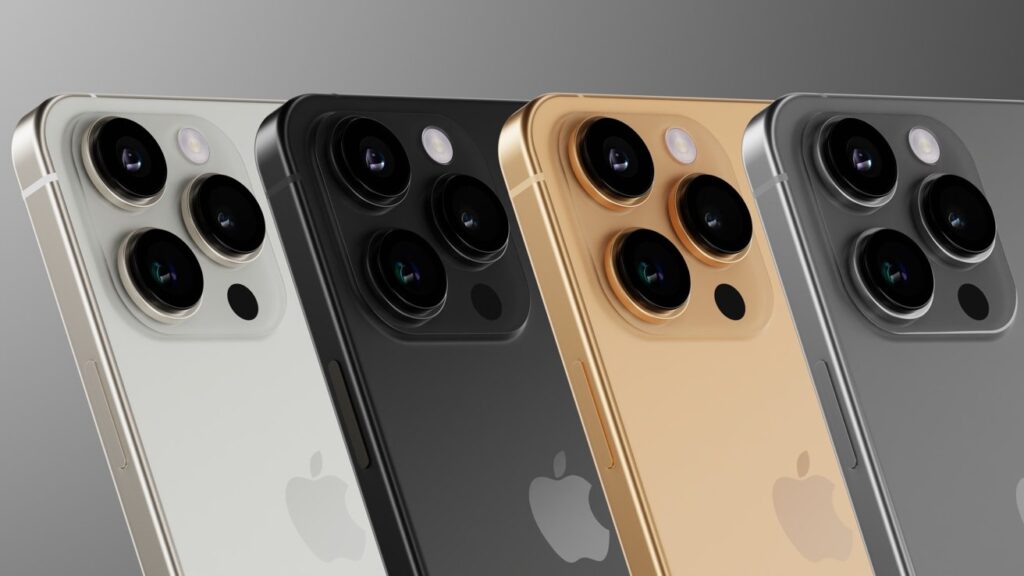
iPhone 16 Camera: How Well Does It Hold Up in 2026?
The iPhone 16 uses Apple’s 48MP Fusion main camera paired with a 12MP ultrawide.
The main camera has a 26mm-equivalent focal length and an f/1.6 aperture, along with sensor-shift optical image stabilization.
Apple also uses the high-resolution main sensor to provide a 2x telephoto option equivalent to 52mm.
Although this isn’t the same thing as having a separate long-range telephoto camera, 2x is an extremely useful focal length.
It’s particularly suitable for:
- Portraits
- Food photography
- Pets
- Street photography
- Product shots
- Closer compositions without physically approaching the subject
The 12MP ultrawide provides a 120-degree field of view and also enables macro photography.
This means the iPhone 16 effectively gives casual photographers several useful perspectives despite having only two physical rear cameras.
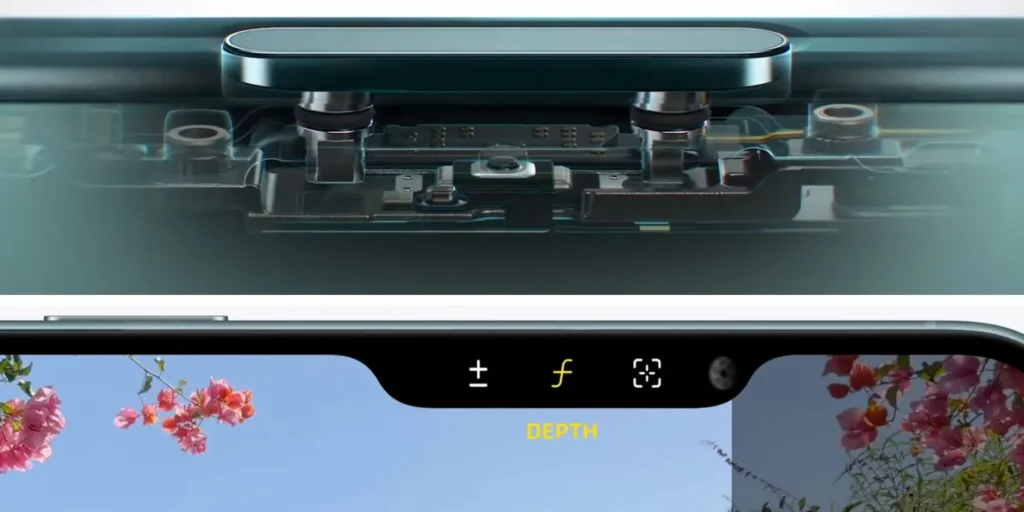
Camera Control Still Makes the iPhone 16 Interesting
One feature that helps distinguish the iPhone 16 generation is Camera Control.
Instead of relying entirely on touchscreen interactions, Camera Control provides another way to quickly access camera functions and adjust photographic settings.
It doesn’t improve image quality by itself, but it can make the phone feel more like a dedicated photographic device once you become familiar with it.
For people who take a lot of photos, faster access to the camera can sometimes matter more than another rarely used shooting mode.
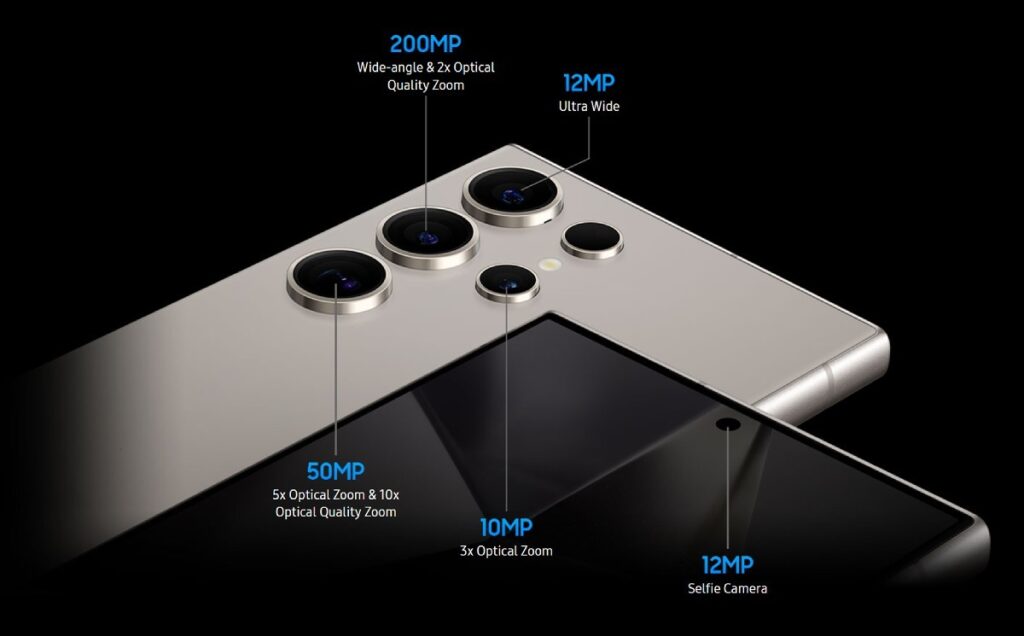
Galaxy S25 Camera: The More Flexible System
Samsung equips the Galaxy S25 with three rear cameras rather than two.
Its camera system combines a 50MP main camera, 12MP ultrawide and dedicated 10MP 3x telephoto camera.
That telephoto lens remains one of the S25’s biggest advantages over the standard iPhone 16.
A dedicated 3x camera is particularly useful when photographing subjects that you cannot easily approach.
Think:
- Concerts
- Buildings
- Travel landmarks
- Portraits
- Pets
- Sporting events
- Architectural details
- Distant objects
Samsung also provides digital zoom beyond the optical telephoto range.
You shouldn’t expect digital zoom at extreme magnifications to reproduce the detail of genuine optical magnification, but having additional reach can still be useful when capturing something is more important than achieving perfect image quality.
Camera Hardware Winner: Galaxy S25
For pure photographic flexibility, the Galaxy S25 wins.
The iPhone 16’s main camera is excellent, but Samsung gives you an additional physical telephoto camera.

Daylight Photography
This is where the comparison becomes much closer.
Under good lighting, both smartphones can produce highly detailed photographs with strong HDR processing and excellent dynamic range.
The differences are less about whether a photograph is “good” and more about how each manufacturer chooses to process the image.
iPhone 16
Apple generally aims for a relatively restrained image.
Photos tend to emphasize:
- Natural-looking colors
- Controlled highlights
- Realistic skin tones
- Consistent exposure
- Balanced contrast
Apple’s Photonic Engine, Deep Fusion and Smart HDR 5 work behind the scenes to combine information from multiple exposures and optimize the final image.
The result is usually predictable.
And predictability is an underrated camera feature.
If you’re photographing children, pets, family events or travel moments, you may care less about manually adjusting camera settings and more about knowing that pressing the shutter will usually produce a usable image.
Galaxy S25
Samsung’s processing traditionally leans toward a more visually impactful presentation.
Depending on the scene and settings, images can appear more vibrant, brighter or more aggressively processed.
That can work extremely well for:
- Landscapes
- Food
- Flowers
- City photography
- Travel
- Social media
Some photographers will prefer Samsung’s presentation immediately.
Others may find Apple’s processing more natural.
Daylight Photography: Tie
Both phones remain excellent daylight cameras in 2026.
Your preference is likely to depend more on image-processing style than basic image quality.
Zoom: Galaxy S25 Has the Clear Advantage
If zoom photography matters to you, this is probably the easiest category to decide.
The iPhone 16’s 48MP Fusion camera provides a useful 2x telephoto perspective.
For portraits and modest reframing, it’s very good.
But the Galaxy S25 has a dedicated 3x telephoto camera.
That additional optical reach makes Samsung noticeably more versatile when photographing subjects farther away.
For example, imagine you’re travelling and want to photograph details near the top of a historic building.
With the iPhone, you’ll reach the limits of the main camera system sooner.
The Galaxy gives you another optical focal length before heavier digital processing becomes necessary.
Zoom Winner: Galaxy S25
If zoom is one of your priorities, the Galaxy S25 is the stronger choice.
Portrait Photography
This category is considerably more interesting.
The iPhone’s 2x option provides a roughly 52mm-equivalent perspective that works extremely well for portraits.
It produces a more flattering perspective than shooting someone’s face extremely close with a wide-angle camera.
Apple’s portrait processing also benefits from years of refinement in subject detection and depth estimation.
The Galaxy S25, however, has its dedicated 3x telephoto camera.
That gives photographers more physical distance from their subject and can produce attractive portrait compositions.
Samsung also provides numerous portrait effects and editing options.
Portrait Winner: Tie
Choose the iPhone if you prioritize natural processing and simplicity.
Choose the Galaxy S25 if you want more focal-length flexibility.
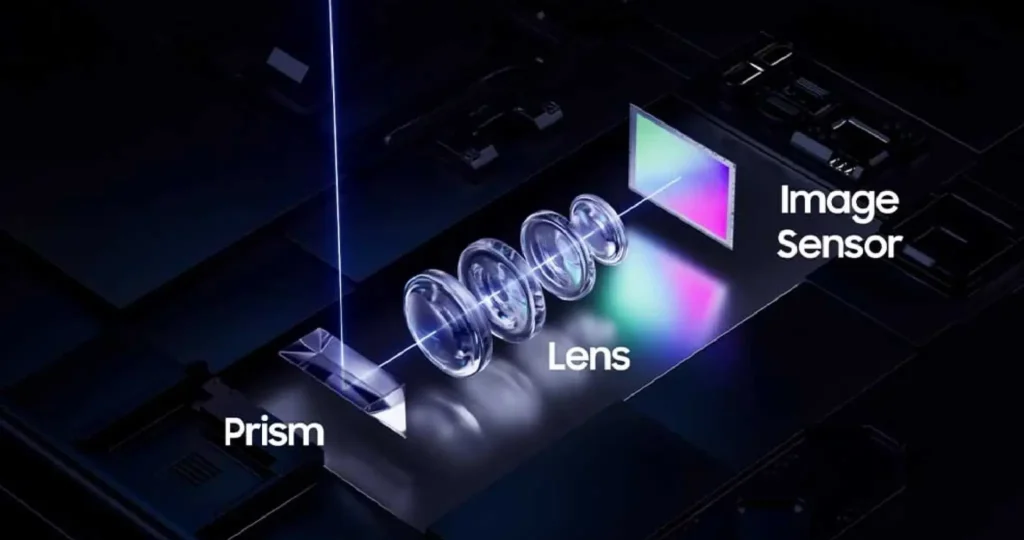
Ultrawide and Macro Photography
Both phones include 12MP ultrawide cameras, but ultrawide photography is one area where newer phones have started moving forward.
Apple’s newer iPhone 17, for example, upgraded the base model to a 48MP Fusion ultrawide camera.
That puts the iPhone 16’s 12MP ultrawide into perspective.
It’s still useful for landscapes, buildings, group photographs and macro shots, but you’re no longer buying Apple’s latest ultrawide technology.
This distinction is important when shopping in 2026.
A discounted older flagship can represent excellent value, but the discount needs to be meaningful enough to compensate for improvements available in newer models.
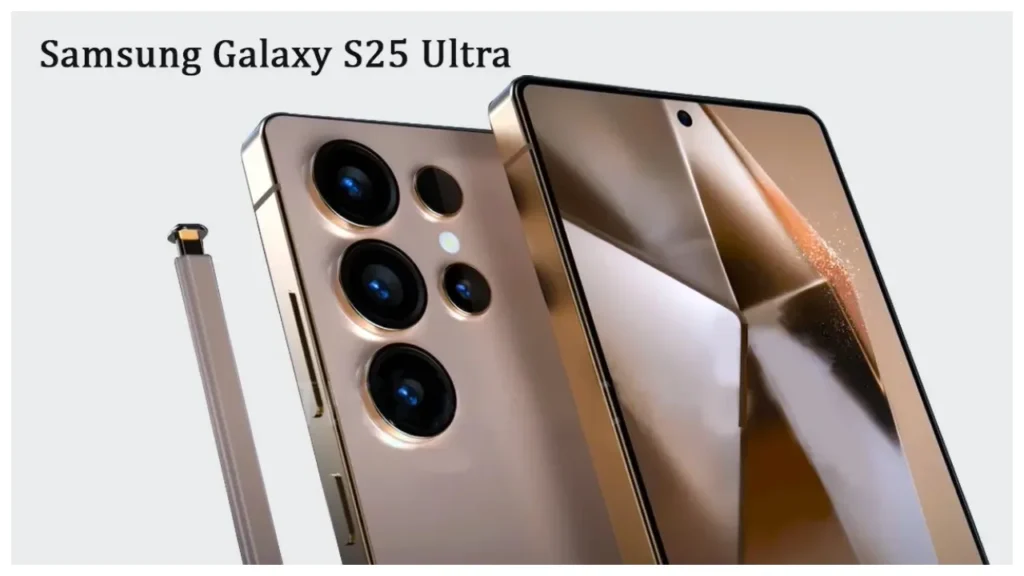
Still Photography: The Art of Capturing Moments

Low-Light Photography
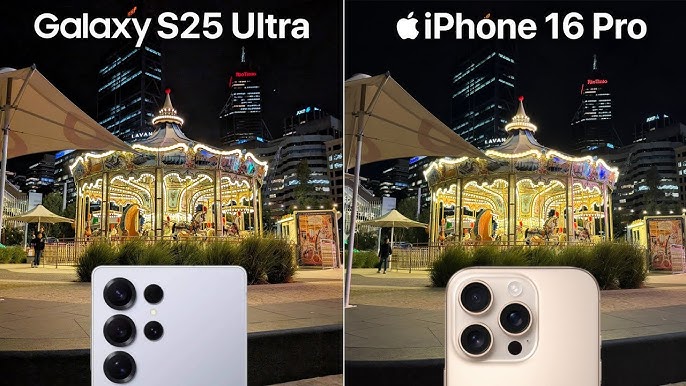
Night photography increasingly depends on computational photography rather than sensor specifications alone.
Both Apple and Samsung combine multiple exposures, stabilization and computational processing to extract additional detail from dark scenes.
The iPhone generally tries to maintain relatively natural-looking nighttime images rather than turning every dark environment into something resembling daylight.
Samsung can produce brighter and more dramatic night images, depending on the scene.
This makes the choice partly stylistic.
For city lights and dramatic nighttime scenes, Samsung’s approach can look impressive.
For people and scenes where maintaining a realistic atmosphere matters, some users may prefer Apple’s treatment.
Low-Light Winner: Too Close to Call
Both remain highly capable. Scene conditions and personal processing preferences matter more than declaring an absolute winner.
Video: iPhone 16 Remains Extremely Competitive
This is one area where the age of the iPhone 16 matters less.
Apple supports 4K Dolby Vision recording at up to 60fps on the iPhone 16, alongside Cinematic mode, Action mode, macro video, spatial video and strong stabilization.
For everyday video creators, those capabilities remain more than sufficient in 2026.
The iPhone is particularly attractive if your workflow involves recording, editing and sharing video across Apple’s ecosystem.
Samsung counters with a broader set of recording options, including higher-resolution recording and extensive manual controls.
But resolution alone doesn’t determine video quality.
Exposure transitions, autofocus, stabilization, color consistency, audio and ease of editing can matter significantly more than the headline resolution.
Video Winner: iPhone 16 for Most Users
For straightforward, consistently strong video recording, the iPhone 16 remains an excellent choice.
More technically adventurous users may prefer Samsung’s broader recording controls.
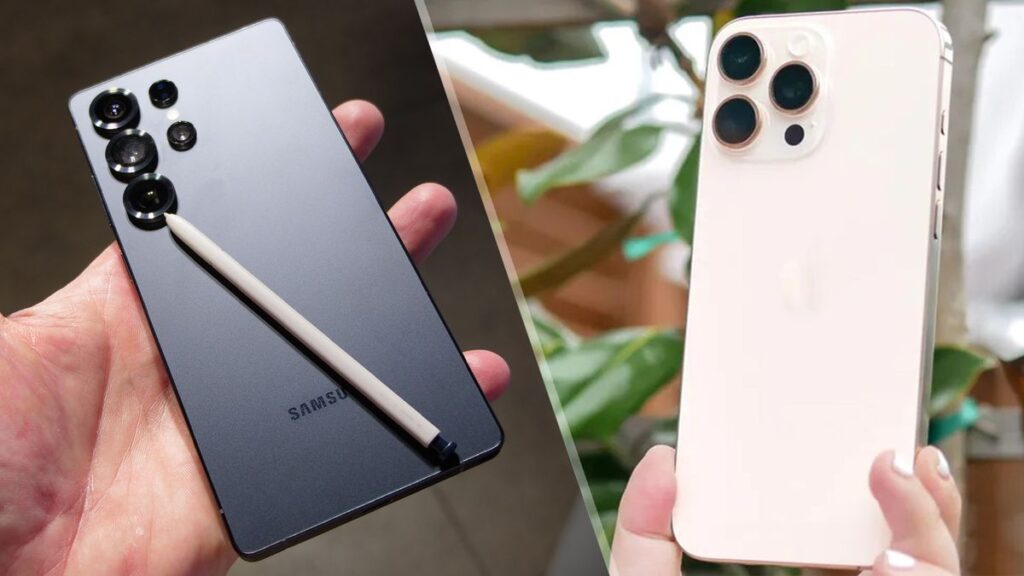
AI Photography Changes the Comparison in 2026
The original iPhone 16 vs Galaxy S25 debate was heavily focused on hardware.
By 2026, that’s no longer enough.
AI-assisted editing has become an increasingly important part of the smartphone camera experience.
Samsung has placed Galaxy AI deeply within its device ecosystem, including tools designed to modify, enhance and manipulate photographs after capture.
Apple has similarly expanded Apple Intelligence across supported devices and applications.
This changes what “best camera” actually means.
Smartphone photography is increasingly becoming a three-stage process:
Capture → computational processing → AI-assisted editing
The best phone therefore isn’t necessarily the one that captures the technically strongest original image.
For some users, the better camera phone may be the one that makes it easiest to transform that photograph afterward.
Camera App and Ease of Use
Apple and Samsung continue to represent different philosophies.
iPhone 16: Simplicity
Apple’s camera interface is designed around getting users shooting quickly.
Most processing happens automatically.
You don’t need to understand shutter speed, ISO, white balance or exposure compensation to get good photographs.
That makes the iPhone particularly suitable for people who simply want to:
Open camera → compose → press shutter → get a good photograph.
Galaxy S25: Control
Samsung provides considerably more room for experimentation.
Users who enjoy adjusting settings, changing shooting modes and exploring advanced photography tools may find Samsung’s approach more rewarding.
The trade-off is complexity.
The additional options aren’t necessarily beneficial to someone who never uses them.
Camera App Winner: Depends on the Photographer
Beginner/casual photographer: iPhone 16
Enthusiast/power user: Galaxy S25
The Bigger Question: Are They Still Worth Buying in 2026?
This is the most important section of the comparison.
Neither phone should be evaluated at its original launch price anymore.
Their successors exist.
That means price determines whether either phone makes sense in 2026.
If an iPhone 16 costs only slightly less than an iPhone 17, buying the newer model is usually more attractive.
The iPhone 17 significantly improves the ultrawide camera, moving from the iPhone 16’s 12MP ultrawide to a 48MP Fusion ultrawide.
That’s a meaningful generational upgrade for photographers.
The same principle applies to Samsung.
If the Galaxy S25 is heavily discounted compared with newer Galaxy S-series models, its triple-camera hardware can make it an excellent value.
If the price difference is small, the newer generation deserves serious consideration.
Don’t buy either phone in 2026 simply because it used to be a flagship. Buy it because the current price makes sense.
iPhone 16 vs Galaxy S25: Which Should You Buy?
The answer becomes easier when we divide buyers by priorities.
| Your Priority | Better Choice |
| Natural-looking photos | iPhone 16 |
| Simple point-and-shoot photography | iPhone 16 |
| Video recording | iPhone 16 |
| Zoom photography | Galaxy S25 |
| Camera versatility | Galaxy S25 |
| Telephoto portraits | Galaxy S25 |
| Advanced camera controls | Galaxy S25 |
| Apple ecosystem | iPhone 16 |
| Samsung/Android ecosystem | Galaxy S25 |
| Best value | Depends heavily on current price |
Reasons to Buy the iPhone 16 in 2026
The iPhone 16 still makes sense if you want:
- Consistent point-and-shoot photography
- Natural-looking image processing
- Strong video recording
- Apple’s Camera Control
- Macro photography
- Seamless integration with other Apple devices
- Apple Intelligence support
- A discounted entry into Apple’s recent iPhone ecosystem
Its biggest camera weakness is straightforward: there is no dedicated telephoto camera.
If you frequently photograph distant subjects, that limitation matters.
Reasons to Buy the Galaxy S25 in 2026
The Galaxy S25 remains compelling if you prioritize:
- A triple-camera system
- Dedicated 3x optical telephoto
- Greater zoom flexibility
- More extensive camera controls
- Feature-rich photography
- Galaxy AI editing capabilities
- Android customization
- A compact flagship design
Its camera system is simply more flexible than the iPhone 16’s.
For photography enthusiasts who frequently switch between focal lengths, that flexibility can outweigh Apple’s advantages in simplicity and video consistency.
Final Verdict: iPhone 16 or Galaxy S25 in 2026?
There isn’t a universal winner.
But there is a clearer winner for different types of photographers.
Choose the iPhone 16 if:
You want a dependable camera that produces consistently good photographs without requiring much intervention.
It’s especially compelling for family photography, social media, everyday shooting and video.
Choose the Galaxy S25 if:
Photography versatility matters more.
Its dedicated telephoto camera gives you something the standard iPhone 16 simply doesn’t have: genuine additional optical reach.
Travel photographers, mobile photography enthusiasts and people who regularly use zoom will probably appreciate Samsung’s system more.
Camera Versatility Winner: Galaxy S25
The dedicated telephoto camera gives Samsung the advantage.
Video & Simplicity Winner: iPhone 16
Apple remains particularly strong when you want dependable video and straightforward shooting.
Overall 2026 Buying Winner: It Depends on Price
This is the key conclusion.
In 2026, neither the iPhone 16 nor Galaxy S25 should be purchased without comparing its discounted price against the current generation.
A heavily discounted Galaxy S25 can be an outstanding compact camera phone because you’re still getting a main, ultrawide and dedicated telephoto camera.
A substantially discounted iPhone 16 can similarly offer excellent value for users who prioritize video, consistency and Apple’s ecosystem.
But if either phone is priced close to its successor, buy the newer generation.
The iPhone 16 vs Galaxy S25 battle therefore hasn’t become irrelevant in 2026.
It has simply changed from a flagship battle into a value battle.
And that is ultimately what makes these two phones worth comparing today.

Share this story
Related Articles
Oppo A7 Pro Max Surfaces in Geekbench Listing, but Official Details Are Still Missing
The Oppo A7 Pro Max has surfaced in a Geekbench listing, revealing early hardware details. Here's what has been verified and what remains unconfirmed ahead of any official announcement.
Apple’s Reported M2 Extreme and M3 Extreme Chips: What We Know, What We Don’t, and Why It Matters
Apple's reported M2 Extreme and M3 Extreme chips remain unconfirmed. Learn what Apple has officially revealed about M2 Ultra and UltraFusion technology.
Vivo X500 Ultra Leak Reveals Three 200MP Periscope Camera Sensors Under Consideration
Vivo X500 Ultra is reportedly being tested with three 200MP periscope camera sensors as the company balances zoom performance and smartphone design.
Comments (0)