Thursday, July 16, 2026 Trending:GPT-5iPhone 17Quantum Computing
Camera

Sony RX10 V Brings AI Autofocus and a 25x Zoom Lens to Sony’s Fifth-Generation All-in-One Camera

Sony's RX10 V introduces AI-powered autofocus, a 20.1MP stacked sensor, 25x optical zoom and up to 30fps shooting in Sony's latest bridge camera.
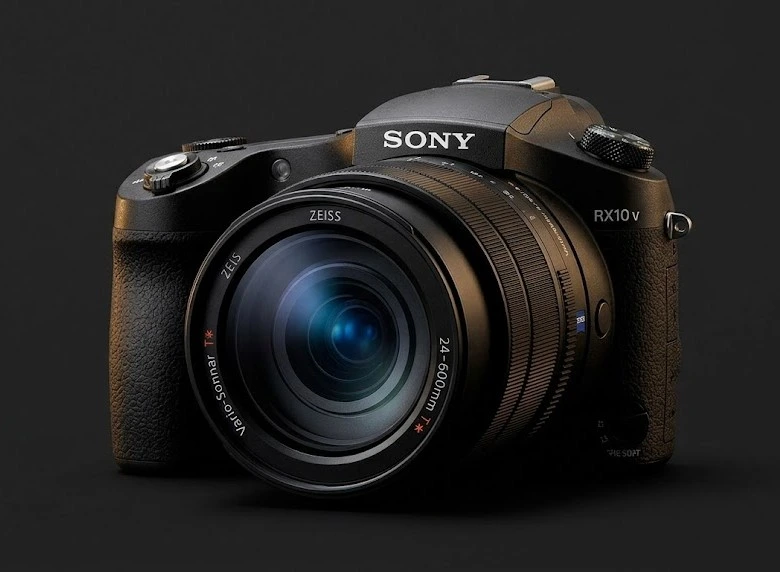
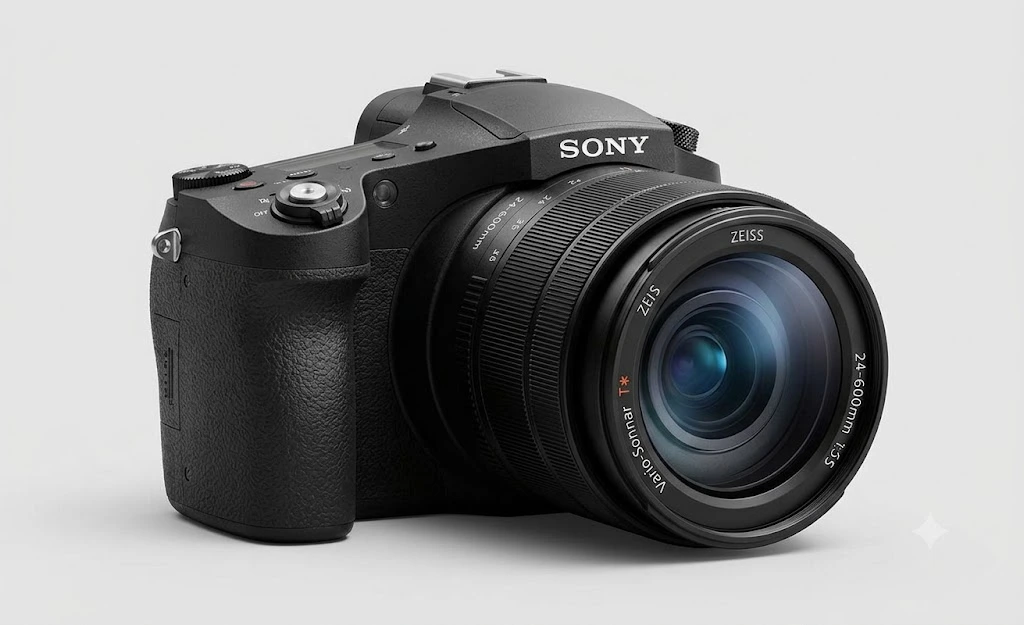
Sony RX10 V bridge camera with integrated 24–600mm ZEISS zoom lens.

Executive Summary

Sony has unveiled the RX10 V, the latest entry in its long-running RX10 series of bridge cameras. Announced on July 9, 2026, the camera combines a 20.1-megapixel 1.0-type stacked Exmor RS CMOS sensor, the BIONZ XR image processor, AI-powered Real-time Recognition Autofocus, and a ZEISS Vario-Sonnar T 24–600mm F2.4–4.0 lens* with 25x optical zoom.

Rather than rethinking the RX10 concept, Sony has refined it. The latest model focuses on faster autofocus, improved subject recognition, and high-speed continuous shooting while retaining the versatility that has made the RX10 series popular with travel, wildlife, and sports photographers.

What Has Sony Announced?

The RX10 V becomes the fifth-generation model in Sony’s Cyber-shot RX10 lineup, succeeding the RX10 IV.

Unlike interchangeable-lens cameras, bridge cameras are built around a permanently attached zoom lens. The design offers the flexibility to move from wide-angle to super-telephoto photography without changing lenses, making them attractive for photographers who value convenience alongside performance.

With the RX10 V, Sony continues that approach while bringing autofocus and image-processing technologies from its newer Alpha mirrorless cameras into the all-in-one format.

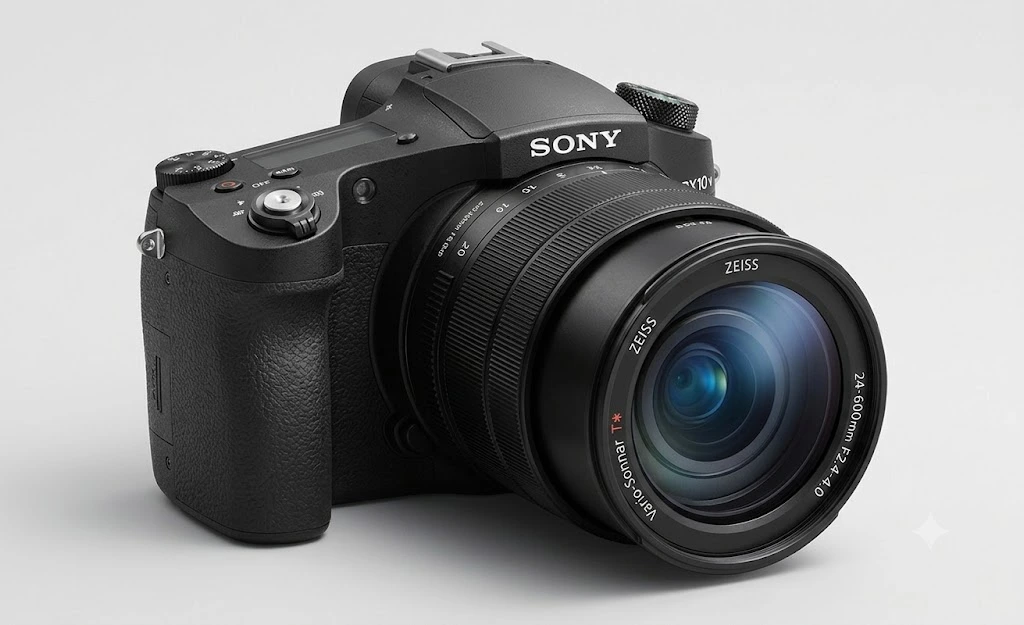
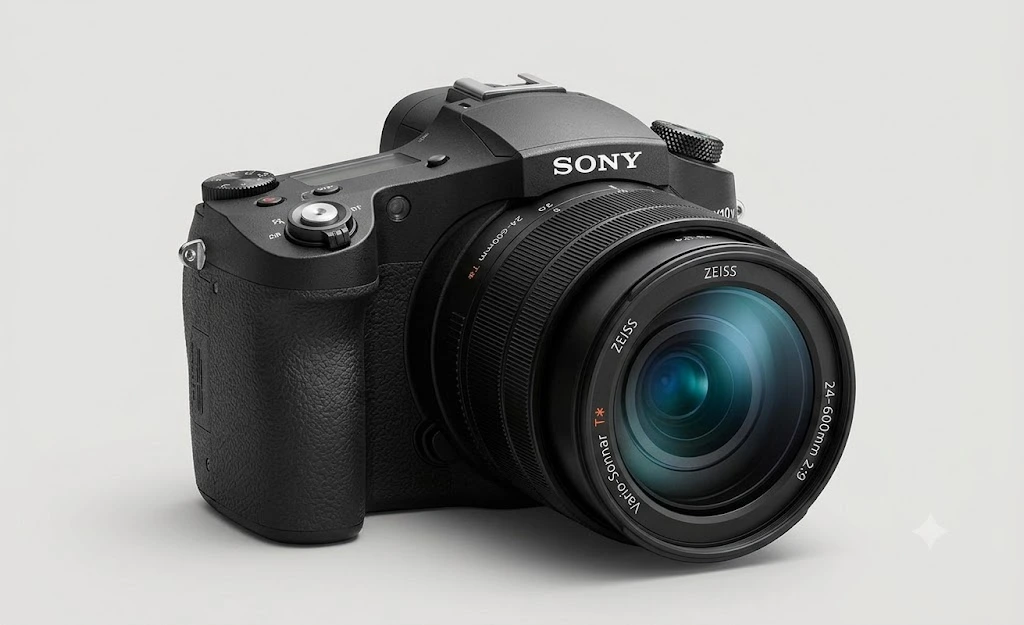
Front view of the Sony RX10 V camera.
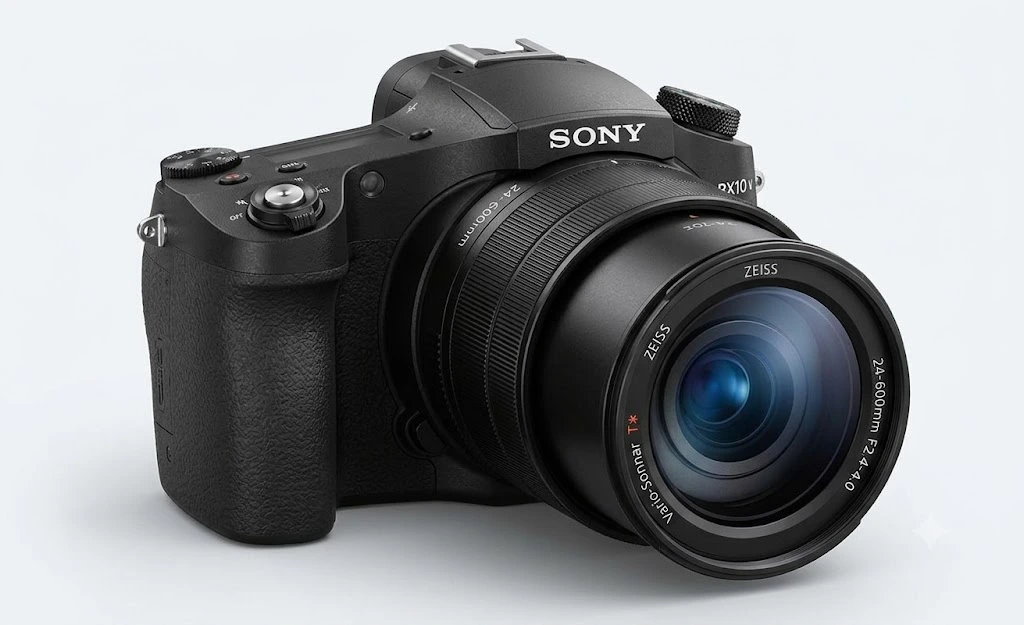
Sony RX10 V
Sony RX10 V
Sony RX10 V

Key Specifications

SpecificationSony RX10 V
Sensor20.1MP 1.0-type stacked Exmor RS CMOS
ProcessorBIONZ XR
LensZEISS Vario-Sonnar T* 24–600mm F2.4–4.0
Optical Zoom25x
AutofocusAI-powered Real-time Recognition AF
Continuous ShootingUp to 30 fps (blackout-free with AF/AE tracking)
Macro Focus3 cm at the wide end

What Is New in the RX10 V?

The headline upgrades fall into three areas: autofocus, processing performance, and shooting speed.

AI-Powered Autofocus

The most significant addition is Real-time Recognition Autofocus, supported by a dedicated AI processing unit.

Rather than relying only on conventional autofocus algorithms, the system is designed to recognize and track subjects more effectively. Sony says it improves subject detection and tracking, helping photographers maintain focus on moving subjects even in challenging situations.

The feature is particularly useful for photographing:

  • Wildlife
  • Birds
  • Sports
  • Fast-moving people

At long focal lengths such as 600mm, even small subject movements can affect focus. Smarter subject recognition can therefore make a noticeable difference during real-world shooting.

Faster Image Processing

The RX10 V combines its stacked image sensor with Sony’s BIONZ XR processor.

Beyond handling image processing tasks, the processor also supports autofocus calculations and enables continuous shooting at up to 30 frames per second with AF/AE tracking, making the camera better suited to fast-paced action.

A Proven Superzoom Lens

Sony has retained the ZEISS Vario-Sonnar T 24–600mm F2.4–4.0* lens introduced in earlier generations.

Its focal range covers a broad range of shooting situations, including:

  • Landscapes
  • Street photography
  • Portraits
  • Wildlife
  • Sports
  • Distant subjects

Keeping the same lens also means users continue to benefit from one of the RX10 series’ defining strengths: broad photographic versatility without carrying additional lenses.

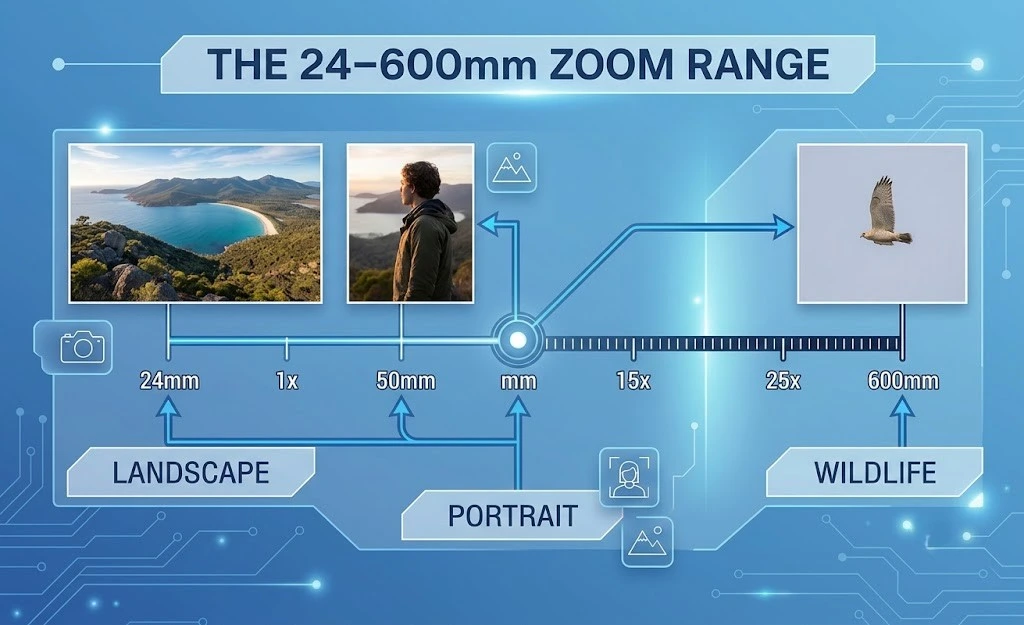
Illustration showing the Sony RX10 V's 24–600mm zoom range.
The integrated ZEISS lens covers wide-angle through super-telephoto photography.

Why the Fixed Lens Still Matters

Mirrorless cameras have become the preferred choice for many enthusiasts and professionals, but they also require photographers to carry multiple lenses to cover different shooting scenarios.

A bridge camera approaches the problem differently. Its permanently attached lens allows photographers to move from wide-angle landscapes to distant wildlife without stopping to change equipment.

That can offer practical advantages, including:

  • Less gear to carry
  • Fewer interruptions during shooting
  • Reduced risk of exposing the sensor to dust
  • Greater convenience while travelling

Note: A fixed-lens design limits future lens upgrades, but it also removes the need to invest in multiple interchangeable lenses.

Pricing and Availability

Sony has announced pricing for selected markets.

RegionPrice
Europe€2,499
United Kingdom£2,199

The RX10 V has been announced globally, although availability will differ by region.

At the time of the announcement, pricing and availability for India had not been announced.

Why This Launch Matters

The bridge camera market is far smaller than it was a decade ago, with smartphones improving rapidly and mirrorless systems becoming increasingly accessible.

Even so, there remains a group of photographers who prioritize reach, convenience, and simplicity over the flexibility of interchangeable lenses.

The RX10 V reflects Sony’s continued commitment to that audience. Instead of competing directly with smartphones, it focuses on areas where dedicated cameras continue to offer clear advantages, particularly long-range optical zoom, physical controls, and advanced autofocus.

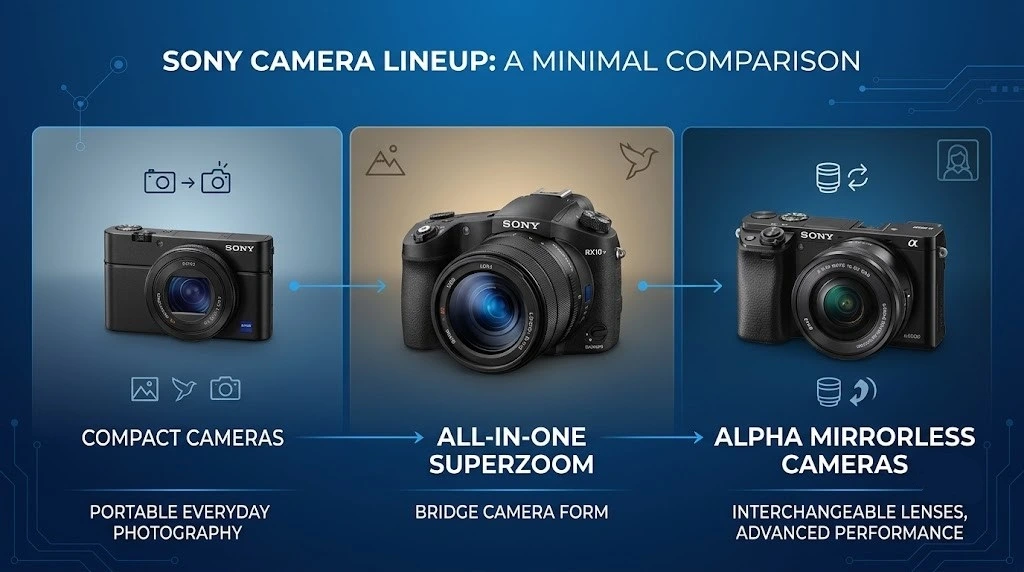
Where the RX10 V Fits in Sony's Camera Portfolio

Sony’s camera lineup serves several different types of users.

Camera FamilyPrimary Focus
Cyber-shot RX10All-in-one superzoom photography
Alpha SeriesInterchangeable-lens mirrorless cameras
Cyber-shot Compact CamerasPortable everyday photography

The RX10 V sits between compact cameras and interchangeable-lens systems, offering many of the capabilities of a larger camera while keeping everything in a single integrated package.

Comparison of Sony camera families highlighting the RX10 V.
The RX10 V sits between compact cameras and interchangeable-lens mirrorless models.

Who Should Consider the RX10 V?

The RX10 V is best suited to photographers who want an all-in-one camera rather than a modular system.

It is particularly well suited for those who regularly photograph:

  • Wildlife
  • Sports
  • Travel
  • A mix of still photography and video

Photographers already invested in Sony’s Alpha ecosystem may still prefer interchangeable lenses, while users looking for a single camera capable of covering a wide variety of subjects may appreciate the RX10 V’s integrated design.

What to Watch Next

Several details are still to come, including:

  • Availability in additional regions
  • India pricing
  • Regional release schedules

Sony is also expected to publish additional product resources, such as support documentation, as the camera becomes available in more markets.

Conclusion

The RX10 V builds on a formula that has defined Sony’s bridge camera lineup for years. Instead of introducing sweeping changes, it strengthens the areas that matter most to its target audience, including autofocus performance, subject recognition, and shooting speed. Combined with its 24–600mm ZEISS lens and integrated design, the camera remains aimed at photographers who want broad versatility without the complexity of an interchangeable-lens system. As regional launches continue, pricing and availability in additional markets will be the next details to watch.

Frequently Asked Questions

1. What is the Sony RX10 V?

The Sony RX10 V is the fifth-generation RX10 bridge camera featuring a fixed 24–600mm zoom lens and a 20.1MP 1.0-type stacked Exmor RS CMOS sensor.

2. When was the Sony RX10 V announced?

Sony announced the RX10 V on July 9, 2026.

3. What processor powers the RX10 V?

The camera uses Sony’s BIONZ XR image processor.

4. Does the RX10 V support AI autofocus?

Yes. It features AI-powered Real-time Recognition Autofocus.

5. What zoom range does the camera offer?

The integrated ZEISS Vario-Sonnar T 24–600mm F2.4–4.0* lens provides 25x optical zoom.

6. How fast is the RX10 V’s continuous shooting mode?

It supports up to 30 frames per second with AF/AE tracking.

7. What is the official European price?

Sony has announced a price of €2,499 for Europe.

8. How much does it cost in the UK?

The announced UK price is £2,199.

9. Has Sony announced pricing for India?

No. Indian pricing and availability had not been announced at the time of launch.

10. Who is the RX10 V designed for?

Sony positions the camera for travel, wildlife, sports, and everyday photographers seeking an all-in-one camera with extensive zoom capabilities.

0 Comments

Related Articles

Comments (0)

Share your thoughts

Your email address will not be published. Required fields are marked *