Meta Strengthens AI Glasses Privacy With New Camera Safeguard Against LED Tampering
Meta has introduced a new privacy safeguard that disables its AI glasses camera if the recording LED is blocked, tampered with, or physically damaged.
Contributor

Executive Summary
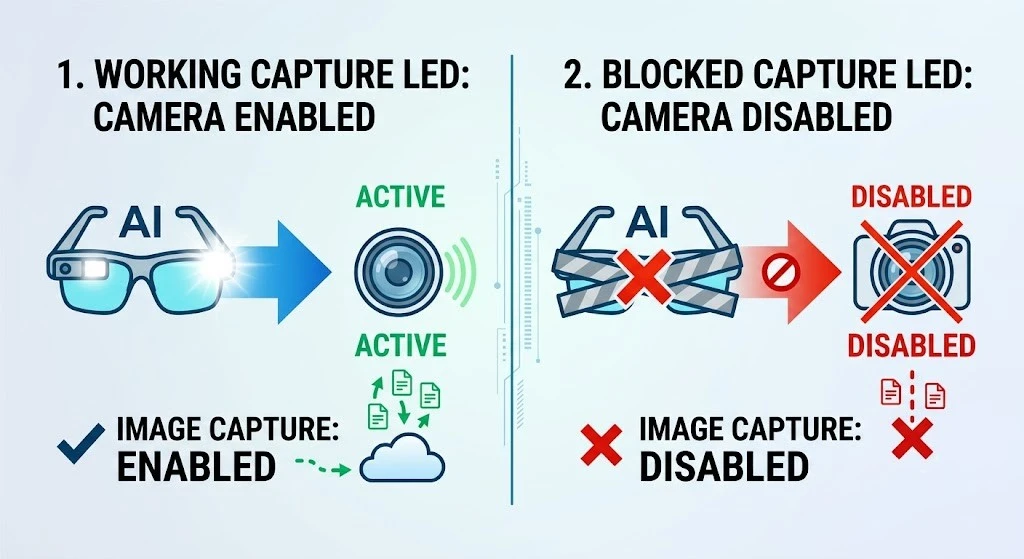
Meta has introduced a new privacy safeguard for its AI glasses that automatically disables the camera if the device’s recording indicator, known as the capture LED, is blocked, tampered with, or physically damaged. The update builds on protections introduced with the company’s second-generation AI glasses and is designed to make covert photo and video recording significantly more difficult.
The company is also stepping up enforcement against services that promote or perform LED tampering, including removing Marketplace listings, banning accounts involved in such activities, and, where appropriate, pursuing legal action.
The move addresses a specific privacy concern while underscoring a broader challenge for wearable technology: earning public trust as devices become more capable.
What Has Meta Changed?
The latest update centers on one of the most visible privacy features of Meta’s AI glasses: the capture LED.
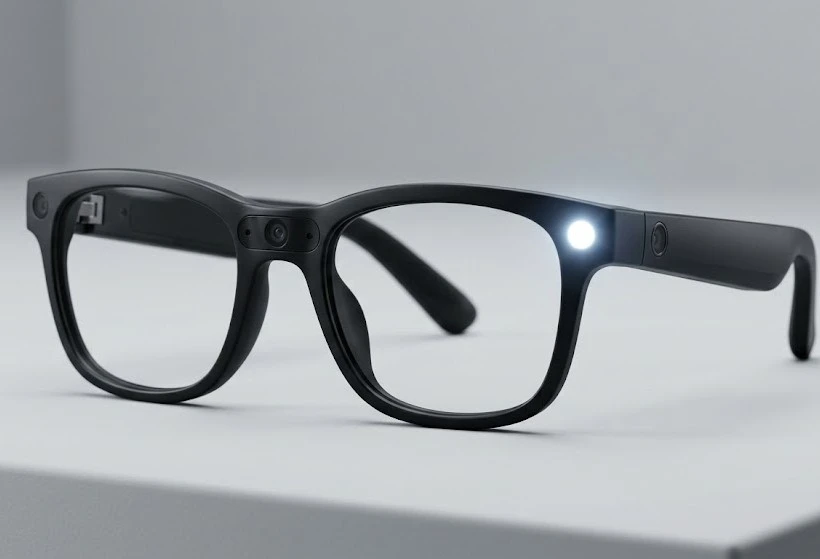
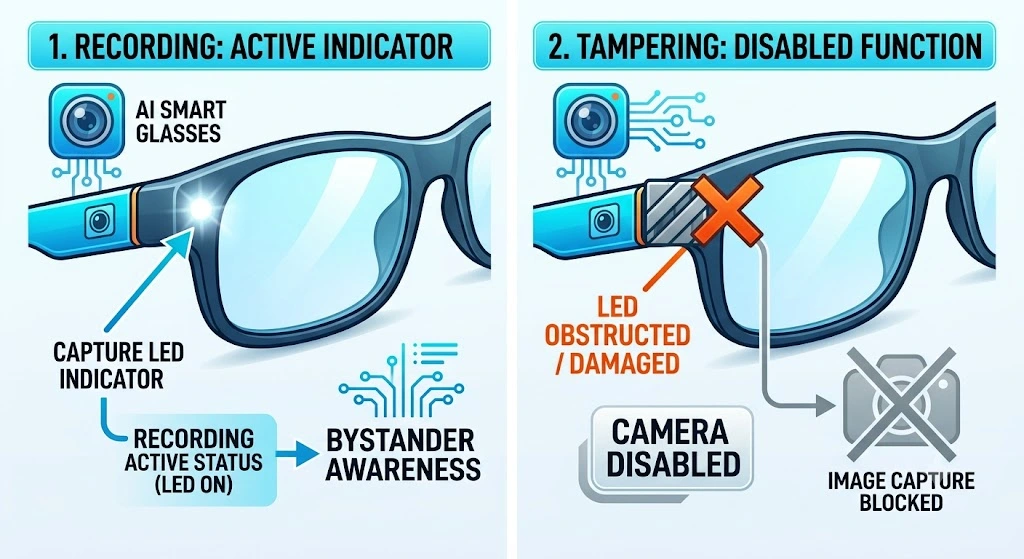
This small white light illuminates whenever the glasses capture a photo or record video, providing people nearby with a clear visual indication that recording is taking place.
Under the new safeguard:
- The camera automatically disables if the capture LED is covered.
- The camera also shuts off if the LED has been physically modified or destroyed.
- Meta says the capture LED cannot be turned off through software.
Rather than treating the LED as a standalone notification, the company has tied camera functionality directly to the indicator’s integrity. If the LED can no longer function as intended, neither can the camera.
Important
Meta says the capture LED has no off switch, making the safeguard dependent on the hardware remaining intact.
Why Was This Update Introduced?
The change follows attempts by some users to conceal the recording indicator.
Meta says it has seen cases where people:
- placed tape over the capture LED,
- carried out more sophisticated physical modifications,
- or completely damaged the indicator.
The update is intended to close that loophole. By making camera operation dependent on a working capture LED, the glasses can no longer record if the indicator has been intentionally disabled.
In practical terms, the notification light is no longer just a visual cue—it has become a required part of the recording system.

How the New Privacy Safeguard Works
Feature | Description |
Capture LED | White indicator that lights during photo or video capture |
Software Switch | None, according to Meta |
Tamper Detection | Detects a blocked, modified, or destroyed LED |
Camera Response | Camera automatically disables |
Purpose | Help prevent covert recording |
This is a hardware-backed privacy measure rather than a software notification alone. Because recording now depends on a functioning capture LED, attempts to disable the indicator also prevent image capture.
Meta Is Also Cracking Down on LED Tampering
The announcement goes beyond changes to the glasses themselves.
Meta says it is taking action against businesses and individuals promoting services that bypass the recording indicator. Those measures include:
- Removing advertisements for LED modification services.
- Removing Marketplace listings related to LED tampering.
- Banning accounts involved in these activities where appropriate.
- Pursuing legal action against businesses offering LED tampering services.
The combination of technical safeguards and platform enforcement is intended to discourage efforts to circumvent the recording indicator.

Why This Matters
Smart glasses present privacy challenges that differ from those of smartphones. Because they are worn on the face, it may be less obvious when someone is taking a photo or recording video.
That makes a visible recording indicator an important trust feature.
Meta says millions of people use its AI glasses every day, making reliable recording notifications increasingly important for both users and bystanders.
The latest update reflects a wider industry focus on balancing new wearable technology with clear privacy protections.
What's Different From Earlier Models?
Meta says the safeguard builds on protections introduced with its second-generation AI glasses rather than replacing them.
Earlier Protection | New Enhancement |
Capture LED indicates recording | Camera disables if the LED is blocked |
Hardware recording indicator | Camera also disables if the LED is modified or destroyed |
Visible notification | Camera operation depends on LED integrity |
Instead of simply informing people that recording is taking place, the updated design makes the indicator an essential part of the recording process.
Practical Advice for AI Glasses Owners
For existing and prospective owners of compatible Meta AI glasses, the update has a few practical implications.
- Avoid covering or obstructing the capture LED.
- Do not attempt to modify or repair the LED yourself.
- If the LED becomes damaged, camera functionality may stop working until the issue is resolved.
- Use accessories that do not interfere with the capture LED or other privacy features.
Following these guidelines helps ensure the glasses continue to operate as intended.

What We Still Don't Know
While Meta has confirmed the new safeguard, several implementation details remain undisclosed.
The announcement does not include:
- Firmware version numbers.
- Software release identifiers.
- A detailed rollout schedule.
- Country-by-country availability.
- A complete list of supported devices.
- Any pricing changes.
- Technical documentation explaining how the tamper detection works.
Those details may emerge in future product documentation or software release notes.
Conclusion
Meta’s latest update strengthens one of the key privacy features of its AI glasses by ensuring the camera cannot operate if the recording indicator has been blocked or tampered with. The company has reinforced that technical change with enforcement measures targeting services that encourage users to bypass the safeguard.
The announcement answers how Meta plans to make covert recording more difficult, but several implementation details—including firmware versions, rollout timing, and regional availability—have yet to be disclosed. As AI-powered wearables continue to evolve, privacy features like these are likely to play an increasingly important role in shaping user confidence and public acceptance.
Frequently Asked Questions
1. What is the capture LED?
It is the white indicator light on Meta AI glasses that illuminates whenever the device captures a photo or records video.
2. Can users turn off the recording indicator?
No. Meta says the capture LED has no off switch.
3. What happens if someone covers the capture LED?
The camera automatically disables if the LED is blocked.
4. Will the camera work if the LED is damaged?
No. Meta says the camera also disables if the capture LED has been physically modified or destroyed.
5. Does this apply to every Meta AI glasses model?
Meta says the safeguard builds on protections introduced with its second-generation AI glasses but has not published a complete compatibility list.
6. Has Meta announced new pricing?
No. The announcement does not include any pricing changes.
7. Has Meta released technical documentation for this update?
No. The announcement was not accompanied by detailed developer or technical documentation.
8. What action is Meta taking against LED tampering services?
Meta says it may remove related listings and advertisements, ban accounts involved in such activities, and pursue legal action against businesses offering those services.
9. Is a firmware version associated with this update?
Meta has not published firmware or software version information.
10. When will the update be available?
Meta announced the safeguard in July 2026 but has not provided a detailed rollout timeline.
Share this story
Related Articles

Apple AirPods Max 2 vs AirPods Max: Which One Should You Buy in 2026?
The Apple AirPods Max 2 (released in 2026) is a performance-focused upgrade over the Apple AirPods Max (2020), introducing the H2 chip for significantly improved noise cancellation and new intelligent […]
Best Wearables for Sleep Tracking in 2025: Monitor Your Sleep and Improve Rest Quality
Introduction Sleep is the cornerstone of overall well-being, yet so many of us struggle to get enough quality rest. In 2025, sleep tracking wearables […]

Galaxy Watch Ultra Review: Unmatched Health Tracking, Battery Life & Design – In-depth Analysis
The wearable market has been buzzing ever since Samsung launched the Galaxy Watch Ultra, and in this comprehensive Galaxy Watch Ultra review, we’ll explore […]
Comments (0)